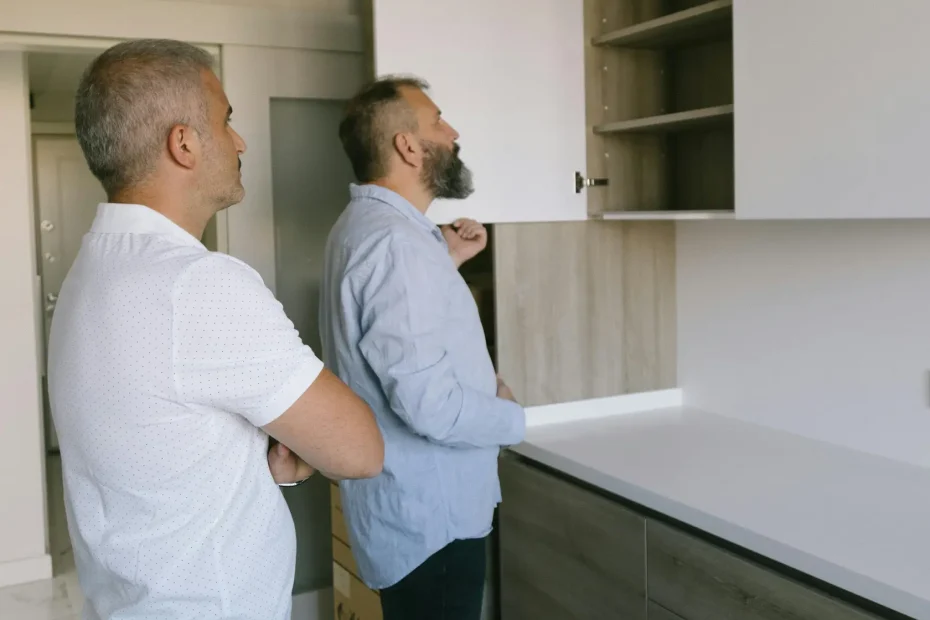
Have you noticed a loose banister, a leaking ceiling or exposed wiring but feel awkward about asking someone to fix it? I get it. Asking a housemate, family member or landlord can often stall, and the hazard may lead to injury, inconvenience or more serious damage.
Worried about a safety hazard at home? This post walks you through spotting the hazard, judging how risky it is, clarifying who is responsible and how urgent the issue is, and gathering the evidence you’ll need before you raise it. You’ll find ready-to-use scripts for talking to housemates, family and landlords, sensible temporary safety measures you can take straightaway, and clear guidance on following up and when to escalate. Use these steps to deal with the problem efficiently and help keep everyone safe.
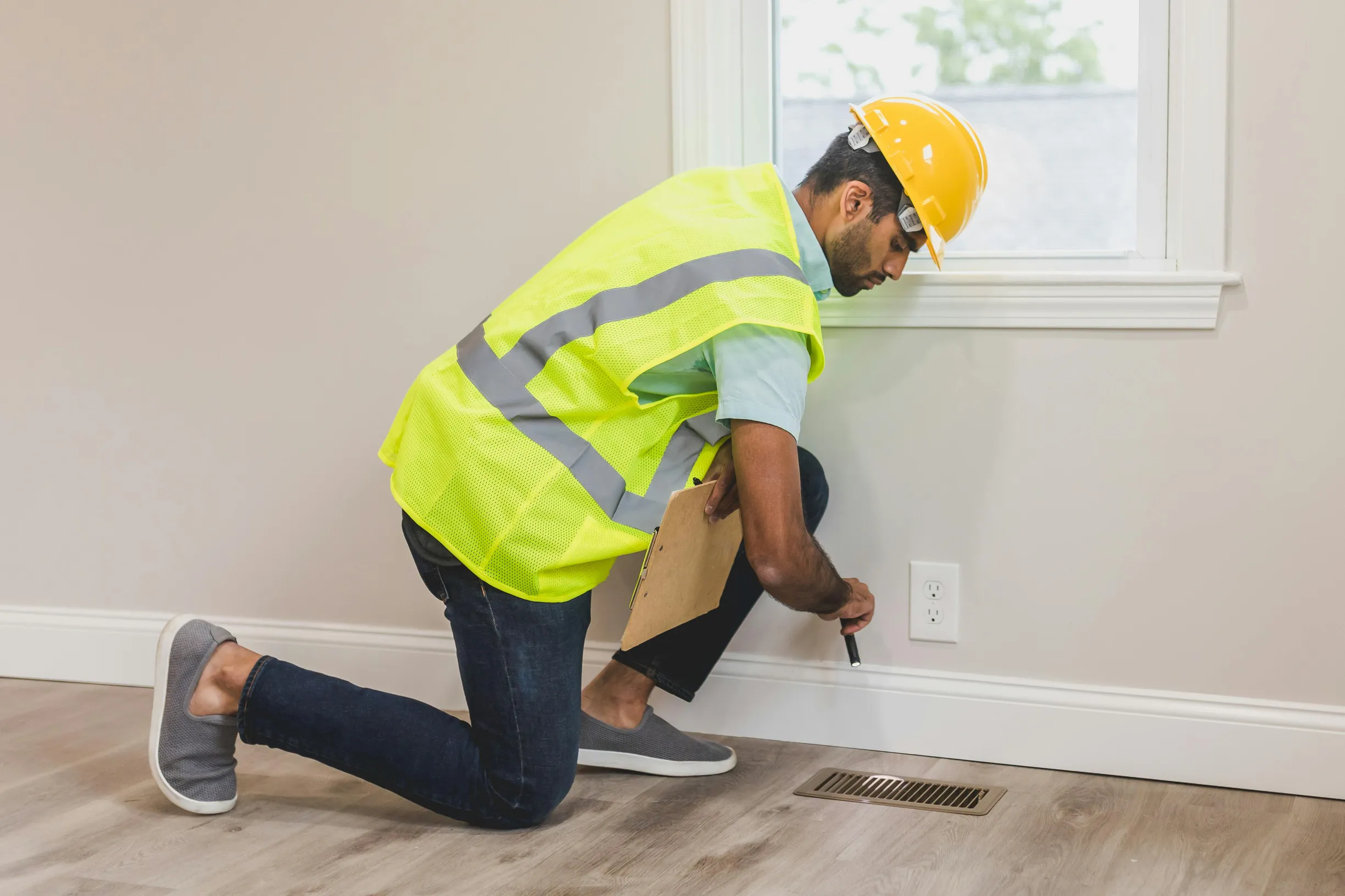
How to assess a hazard and its risks simply and safely
Start by noting what you can see and smell, and collect clear examples. Look for pooling or steady dripping for water leaks, sparking or warm sockets for electrical faults, widening cracks for structural movement, a rotten egg smell for a gas risk, and visible mould or damp patches. Photograph or record a short video of the issue and note down sounds, smells and any measurements so you can track changes over time.
Make a simple list of who or what the hazard could harm: ages and mobility, health conditions, how often the area is used, pets and any irreplaceable items. Describe access routes that might expose others.
Use a basic risk assessment: how likely is the hazard to happen or worsen, and how serious could the harm be. For example, a steady leak beneath a load-bearing beam calls for prompt repair, while an isolated cosmetic crack can be watched and monitored with dated photos.
If you discover a problem, it can feel overwhelming, so start with sensible short-term steps to reduce harm while you arrange a repair. If you can do so safely, turn off the appliance at its controls, use buckets and towels to contain leaks, open windows to ventilate mouldy rooms, seal off hazardous areas and wear gloves and eye protection when handling debris. For electrical, gas or structural problems, contact a competent qualified professional rather than attempting complex fixes yourself. Keep a brief incident note that records what you observed, the steps you took, who was affected and the outcome you want, and attach dated photos or short video where possible. Check the tenancy agreement and local housing rules to clarify responsibilities, and agree how the issue will be escalated if the hazard is not addressed.
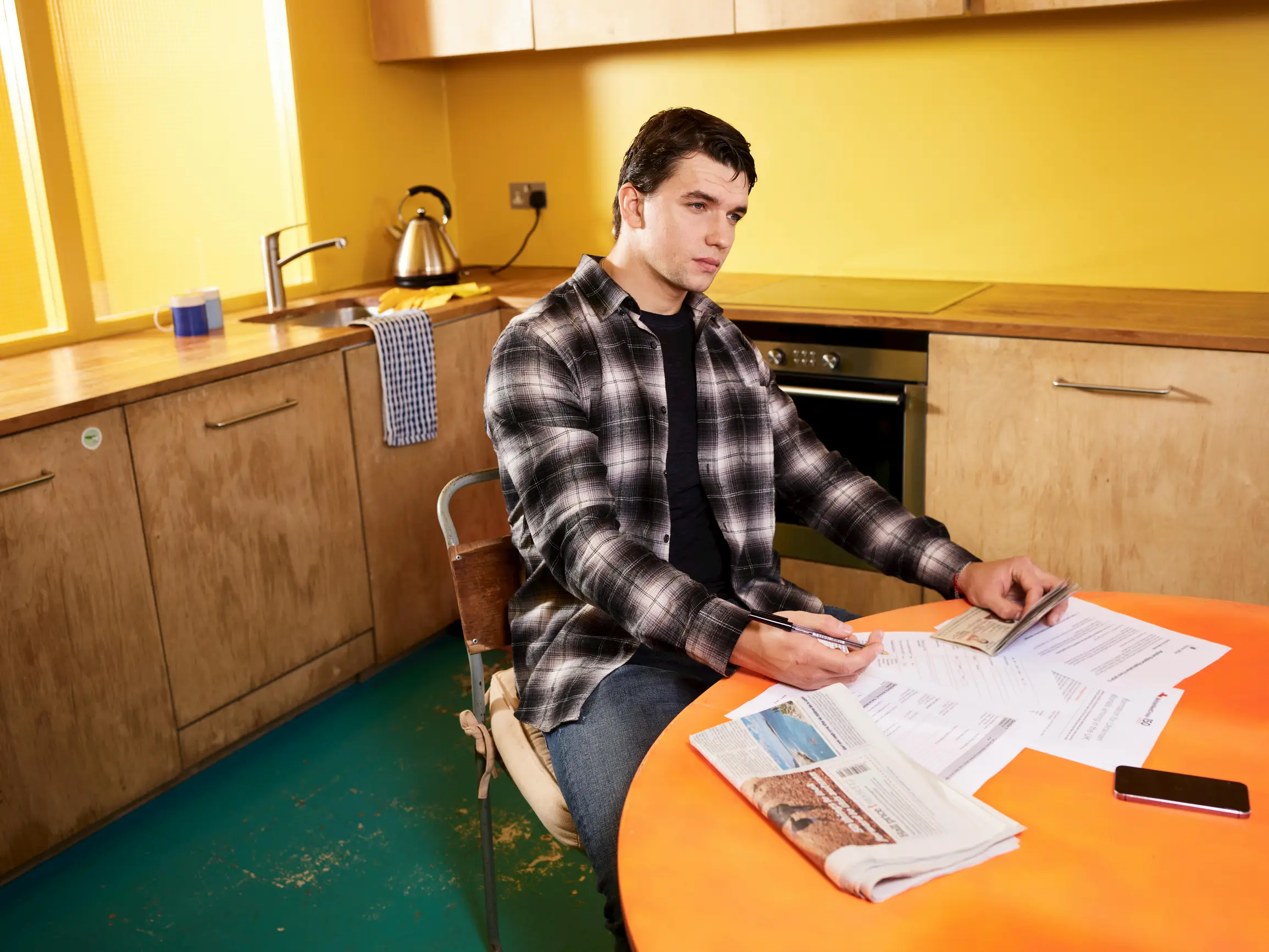
Clarify responsibilities, rights and urgency to avoid confusion
If you need to report a problem, start by working out who is responsible. Check any written agreements and note who owns or controls the affected area, and list who can authorise trades so you know who to contact first.
Classify the urgency using simple, testable categories: emergencies that risk life or cause major damage, urgent hazards that threaten health or are deteriorating quickly, and routine issues that mainly affect convenience or appearance.
Support your request with clear evidence: attach good-quality photos and short videos, note visible dimensions or any leaks, and write a brief timeline to show whether the issue is persistent or getting worse.
Where possible, suggest safe temporary measures to reduce immediate risk without creating new hazards, such as isolating the area, switching off affected services if it is safe to do so, putting up warning signs, and asking for an inspection or a practical repair. Keeping your information clear and calm makes it easier for the right person to act quickly.
When you need to chase a repair or complaint, create a paper trail. Send a concise written request that explains the problem, who you believe is responsible and what action you want, and keep copies of every communication and any receipts for emergency measures. Set out the urgency using the categories and evidence you collected, and suggest a clear next step, for example arranging an inspection by an authorised tradesperson. If the issue is not resolved, explain a proportionate escalation plan, such as involving a neutral third party or using formal complaint channels.

How to prepare for a difficult conversation and gather key evidence
If you need to record damage, a few simple steps make it much easier to share and act on. Take clear photos from several angles and include a familiar object for scale. Keep the original files and labelled copies so you can send them without hunting for them later. Take close-ups of the damage plus wider shots that show the surrounding area, and note observable facts that indicate whether the issue is a safety risk, is causing ongoing property damage, or limits essential use. Also record any conditions that make the hazard worse, such as leaks, movement or repeated failures, to help you prioritise what to deal with first.
If you’re dealing with a repair or dispute, make it easy for the person who needs to help. Start by checking your tenancy agreement, house rules or ownership papers to see who is responsible. Note names and contact details and any required notice procedures.
Put together a simple evidence pack: a short paragraph explaining the problem, the outcome you want and any access constraints. Attach labelled photos and brief witness notes so the situation is obvious at a glance.
Say how you prefer to be contacted, present the materials clearly and keep copies of everything so you can follow up without repeating yourself.
Assemble evidence, notify responsible parties, and triage hazards
- Evidence organisation and labelling checklist: use a consistent filename structure that begins with location, includes a short issue tag, and ends with a sequence number; keep original files and create clearly labelled copies in common formats such as JPEG for photos and PDF for documents, include an index sheet that links filenames to concise captions, witness notes, and source files, and store both physical and digital backups for easy sharing.
- Communication templates and protocol: prepare a one paragraph description that states the problem, the outcome you seek, any access constraints, and your preferred contact method, attach the labelled index and photos, send the package with proof of delivery or recorded delivery and log phone calls and messages, and maintain a documented follow up plan with reminders and escalation steps.
- Hazard triage and immediate actions: classify the issue by whether it threatens safety, causes ongoing property damage, or limits essential use, take immediate mitigation such as isolating utilities, containing leaks, or installing temporary supports, photograph conditions before and after any intervention, call emergency services for imminent danger, and record any worsening, repeated failures, or environmental factors that increase risk.

Use tailored scripts for housemates, family, and landlords
This pack offers ready-made message templates for audiences such as housemates, family members and landlords. It provides ready-to-use tones to suit different situations, for example neutral, firm but collaborative and formal. Templates are designed with a clear opening, a concise description of the hazard, a specific repair request and a polite closing, and many include a short example line so you can match the wording to the person and situation. Practical guidance suggests when you might speak face to face, when a casual message will do and when a formal written notice may be more appropriate, and explains how shifting your tone can affect the likely response.
If you find a hazard, use a simple step-by-step approach to document and escalate it. Take clear photos, note exactly how the hazard affects function, and save every message so you have a full record. When you write to others, refer to attached evidence so recipients can assess severity quickly and easily. Suggested next steps include arranging a tradesperson, granting access, or obtaining quotes. Keep your messages concise and cooperative, assigning roles and setting boundaries where needed. Use polite follow-up and escalation templates for reminders or requests for acknowledgement, and have firmer but professional wording ready if you need to contact a property manager, tenancy contact, or safety inspector. Log each action in a simple sequence to show reasonable effort to resolve the issue.

Follow up, use temporary safety measures and escalate if needed
If you need to flag a household hazard, this guidance gives ready-to-use follow-up scripts and checklists to make the process quicker and less stressful. It includes short copy-paste messages and phone prompts that: state the hazard, ask for acknowledgement, clarify who will fix it, and secure a clear commitment to complete the repair. There are both informal and formal tone options, plus a short escalation note you can append if responses are ignored.
It also sets out simple documentation practices. Take wide and close-up photos with a common object for scale, keep message threads and call notes, log who was told and what they said, and export backups so the incident and follow-ups form a complete timeline.
Finally, you will find safe, temporary risk-reduction steps anyone can use right away: isolate the area, post clear warning signs, ventilate rooms if there are fumes, switch off a circuit only if you are confident and trained, and install simple physical barriers. The guidance emphasises knowing your limits and stopping if you are unsure.
If a problem is not being acknowledged or a repair is not being committed to, or if anyone is injured or at risk, those are clear triggers to escalate. A simple ladder of next steps helps you act with confidence: start with a formal written complaint, then consider lodging the issue with the relevant housing or building authority, and involve regulators or emergency services if there is imminent danger.
As you move through each step, keep things focused on creating a clear paper trail. Make concise records of what happened and when so you can show a timeline and decisions to third parties if needed. That documentary evidence often makes it easier to get a resolution.
Plan ahead for communication and contingency arrangements. Agree who will follow up and who will speak to the landlord or authority, set up alternative sleeping locations or restricted-use areas if needed, and prepare short summaries and evidence packs to speed decisions and avoid repeating yourself.
Feeling unsure how to handle a safety issue? This guide walks you through spotting hazards, gathering clear evidence and putting in place short-term measures to keep people safe while repairs are arranged. It also includes sample scripts, ready-made documentation templates and straightforward escalation steps to make responsibilities clear and speed up action.
Use a simple checklist to work out how urgent each issue is, pick a script or wording that suits your relationship with the person you need to contact, and keep a clear written record of what happened and who was informed. Collecting evidence, suggesting sensible, low-risk mitigations, and following the agreed escalation process will help keep people safe, protect property, and make it easier for the right person or organisation to act.