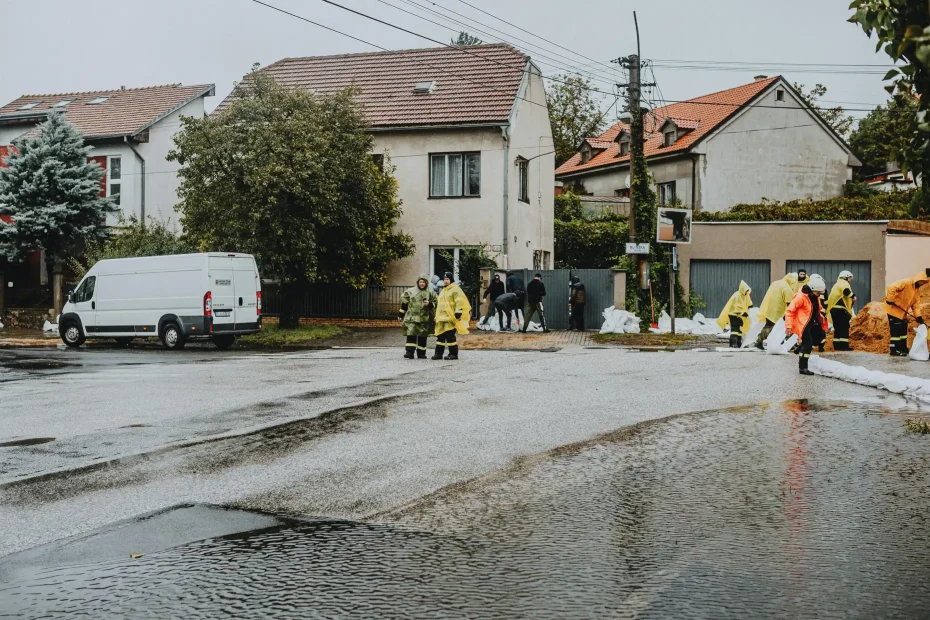
When flood, fire, or a burst pipe strikes, the first moments determine whether you recover quickly or face months of upheaval. Many incidents begin with familiar culprits like dodgy appliances, blocked gutters, or ageing pipework, so knowing what to do immediately can protect people and property.
If something’s gone wrong at home, start with three straightforward actions: get people and pets to safety, stop the source to limit further harm (for example, turn off a dodgy appliance or isolate a leak if it is safe to do so), and document the damage while mobilising recovery support. These practical steps will help protect your household, guide any calls to emergency services and insurers, and get the recovery under way with the least fuss.

1. Get your loved ones and pets to safety
I know it’s stressful, but put people and pets first. Move everyone to a safe place outside the building, or to higher ground if there’s flooding, using the nearest clear exit and closing doors behind you to slow the spread of fire and water. If there’s smoke, stay low because smoke and hot gases rise, and cover your mouth with a damp cloth if you have to pass through smoky areas. Secure pets quickly with a carrier, lead or a familiar blanket to keep them calm, and take food, medication and identification if you can. As you leave, check likely escape routes, such as garden gates, to stop animals bolting and to make it easier to report any pets left inside.
If you need to evacuate, avoid walking or driving through floodwater. Even shallow water can hide trip hazards, carry sewage and chemicals, hide strong currents or become electrified if it reaches live wiring. Once you are clear, head to your pre-arranged assembly point, do a headcount and check on neighbours who might need help. Ask one person to contact the emergency services and let responders know about any mobility, medical or communication needs. Be ready to report if anyone, including any pets, is still inside.

2. Stop the source and prevent more damage to your home
If you suspect a leak, act quickly but safely. First, stop the immediate sources only if you can do so without putting yourself at risk. If the floor is dry and you are not standing in water, isolate the electricity at the consumer unit. Turn off the gas at the meter only if you know how and it is safe to do so. Shut off the water at the property stopcock, close any appliance valves that are relevant, and open a couple of taps to relieve pressure and reduce further spraying. Remember that water conducts electricity and that gas leaks can cause explosions or lead to asphyxiation, so these steps often prevent much larger hazards. Photograph the scene before moving items and jot down the steps you took to help with any later claims or repairs. If you are unsure at any point, step back and call the emergency services or a qualified engineer.
First, look after people and pets. Contain and divert water with towels, door bars or temporary seals, lift carpets and soft furnishings where you can, and move electronics and paperwork to higher surfaces or outside to protect valuable items. Only isolate or unplug dodgy appliances when the area is dry and it is safe to do so. For small flames, smother them with a fire blanket or use an extinguisher if everyone can still get out easily afterwards. If life or the building is at risk, call the emergency services, then let your insurer know and arrange qualified tradespeople such as a registered gas engineer or an accredited restoration specialist to carry out repairs.

3. Document the damage and mobilise the right recovery support
If you need to record damage, follow this simple checklist. Start by photographing and filming every affected area. Take wide shots so you can see the room for context, then close-ups of each fault. As you film, say which room you are in and point out visible problems, and make sure to capture serial numbers or any distinguishing marks on valuables and dodgy appliances. Create an itemised inventory listing each damaged item, include make and model where you can, attach proof of ownership if available, note the visible damage and whether the item is salvageable, repairable, or a total loss, and link the matching photo or clip to each line. Finally, back up all media and documents to at least two separate storage locations for redundancy.
It can feel pretty overwhelming after an incident, but taking a few straightforward steps will make handling the aftermath much easier. If you can, keep a running incident log noting what you did, who you contacted, their roles, reference numbers and what was agreed. Keep all receipts and match them to the relevant photos. Where it is safe to do so, isolate utilities to reduce further loss, and take clear photos of hazards such as exposed wiring, water by sockets or dodgy appliances. Move any undamaged valuables to dry storage. Put together a compact evidence pack of photos, an inventory and the incident log for your insurer or loss adjuster, and ask contractors for written scopes of work and guarantees. If you want extra reassurance, contact your local council or community welfare services and consider getting an independent assessor for a second opinion.
Start with the basics: get people and pets to safety. If it is safe to do so, stop the source of the problem, for example by turning off the gas or electricity, and take photos and notes to support recovery. These simple steps reduce immediate danger, limit damage to property and people, and provide clear evidence when you speak to the emergency services and your insurer.
Treat the headings as a practical checklist. If it is safe, close doors and turn off the electricity and water, and take photos of any damage — these small actions can stop things getting worse. Keep a short incident log and pull together a simple evidence pack for your insurer or loss adjuster. Ask for written scopes of work so you can move from crisis to repair with more confidence.