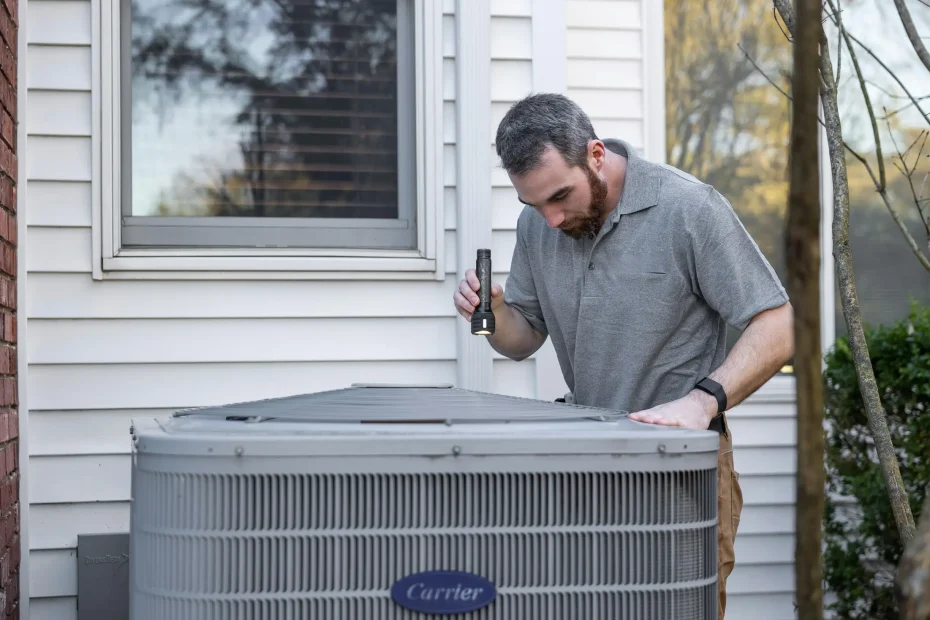
Fed up with last-minute repairs and dodgy appliances disrupting your routine? A simple seasonal approach can turn reactive panic into predictable upkeep, so your home runs smoothly with less effort.
Keep on top of your home with a few simple habits. Inspect and prioritise the most important issues, plan seasonal maintenance with easy recurring checklists, and carry out small repairs using straightforward tools and simple upkeep routines. Catching little faults early, scheduling repeat checks and following plain repair steps will cut down on emergency call-outs for dodgy appliances and help keep your home genuinely low-maintenance.

How to inspect and prioritise your home’s essential problems
It helps to begin with a focused walkaround that checks the likely failure points: the roofline and gutters, external walls and window frames, under-sink cupboards and the loft. Photograph every defect, note its exact location and tag how serious it looks so you can compare changes and spot slow-developing problems. Use simple, low-tech checks — press any suspicious wood, look for deposits around pipe joints, and sniff for damp or fuel odours, also keeping an eye out for dodgy appliances. Record the symptoms before you decide whether to tackle the fix yourself or call a specialist.
When you’re sorting defects, start by prioritising anything that poses an immediate safety risk or could get worse quickly — for example sparking electrics, repeated tripping, the smell of gas, or sagging ceilings. Treat those as top priority.
For the rest, sort issues into three bins: rectify immediately, schedule for the next seasonal round, or monitor with photos and notes. That simple system helps minimise repeat visits and keeps disruption to a minimum.
Where possible combine jobs that share access. For example, check loft insulation when organising roof repairs, or pair external repainting with window seal replacement so you only open up the same area once.
Keep a straightforward maintenance log with photos, locations and service history. Also agree some clear call-out rules at home: isolate dodgy appliances, shut off leaking supplies, and contact a qualified tradesperson for electrical, gas or structural faults rather than trying risky DIY. If in doubt, err on the side of safety.

Make seasonal home maintenance easy with recurring checklists
Try structuring seasonal checklists by how much effort and risk each job needs, rather than by dates. Do quick visual checks to spot leaks, puddles or dodgy appliances, and leave moderate jobs like gutter clearing and deeper roof or damp inspections for when you can give them proper attention. Tick tasks off, note what you did and take a photo of any problem spots so you can track deterioration over time and show clear evidence if a tradesperson needs to assess the issue. Attach each checklist to a recurring reminder in a digital task app or calendar, add simple step-by-step instructions and a photo example, and the routine becomes automated and easy to pass on.
Keep things manageable by giving each task a named owner and clear pass-or-fail criteria. For example: no standing water in gutter runs, smoke alarms that sound on test, or no visible mould on skirting boards. Rotate responsibilities so one person does not become a single-point failure.
Build safety and compliance into every checklist. Include visual checks for frayed cables, warm sockets and persistent smells, test alarms, inspect flues and vents, and book a registered engineer for any gas work or major electrical concerns.
Record service notes and inspection outcomes so you can spot trends in dodgy appliances or rising damp. Use that information to prioritise repairs that cut risk and recurring costs, rather than spending time and money on cosmetic fixes.

Tackle repairs with practical tools and simple upkeep routines
Keep seasonal maintenance simple by starting with a risk-based checklist that puts the most damaging or dangerous issues first. Look out for obvious warning signs such as water stains, sagging timbers, cracked mortar and persistent damp, and note any dodgy appliances or heating problems while you’re at it. For each finding, decide whether it needs an immediate repair, regular monitoring, or a tradesperson’s attention.
Put together a compact, easy-to-access toolkit and store it with clear operating and safety notes. Useful basics include an adjustable spanner, a set of screwdrivers, a hand saw, a drill, silicone sealant, multipurpose filler and personal protective equipment like gloves and goggles. Keep everything together so when a problem turns up you can act quickly or show a tradesperson exactly what you’ve found.
Fed up with the same faults cropping up? Good maintenance starts with finding the root cause before you tackle repairs. For example, trace a leak from a visible stain back to its source, or check radiators for cold spots which often mean trapped air. Focus on a few high-impact routines: clear gutters and downpipes, renew flaky external sealant, and replace worn door and window seals to stop water getting in and cut down on condensation. Keep a short repair log that notes what was done, the method used and any follow-ups needed, and save contact details for tradespeople you trust. Track recurring faults with dodgy appliances so you can make sensible decisions about repairs or replacement.
Tackle home upkeep seasonally with a simple, focused routine of inspections, clear priorities and recurring checklists. Photograph any defects, note their location and how severe they are, and give each job an owner with simple pass or fail criteria. Do this and small faults get sorted before they snowball, turning last-minute panic into predictable upkeep and keeping your home safer and less demanding — and stopping niggles like dodgy appliances becoming big problems.
Use the headings inspect and prioritise, plan seasonal maintenance and execute repairs as an ordered framework to spot dodgy appliances and leaks early, cut down on repeat call-outs and keep your service history tidy. Start with a short walk round, set a regular reminder and keep a compact toolkit plus a simple repair log so upkeep becomes routine rather than a scramble.