If a socket sparks, a pipe starts leaking or the heating packs up, it is easy to panic and make costly mistakes. A few simple, safe checks you can do straight away often stop damage escalating and give a repairer clear, practical information.
If you discover a fault at home, these three quick, low-risk actions can help you feel more in control and keep everyone safe.
1. Secure the area and isolate hazards. Keep people and pets away from the problem, switch off and unplug any affected appliances if it is safe to do so, and avoid the space until it is made safe. If you suspect a serious danger, such as a gas leak or significant structural risk, get out and call the relevant emergency services or a professional.
2. Check electrical, plumbing and heating for obvious faults, but only if it is safe. Look for tripped switches, visible damage, leaks or pools of water near electrical points. If you are unsure or uncomfortable, stop and call a qualified professional.
3. Document what you find and make safe temporary fixes where appropriate. Take photos, note locations and any actions you have taken, and use simple measures like turning off a valve or isolating an appliance to reduce immediate risk.
These steps help reduce immediate danger, create a clear record for the repairer, and make it easier to know when a professional should take over.

1. Secure the area, isolate hazards and keep others safe
If you see sparks, smell burning, find scorch marks or the consumer unit keeps tripping, act quickly but only if it is safe. Isolate the circuit or switch off the consumer unit if you can do so without risk. If you cannot, keep people away and do not touch the appliance.
If you notice a rotten-egg smell, a hissing noise or unusual fumes, open windows and doors to ventilate the area. Avoid using electrical switches inside the property and leave the building. From a safe location, call your gas supplier or the emergency services.
If water is escaping, turn off the appliance isolation valve or the mains stopcock. Put containers under drips and move electrical items and paperwork to a dry place. Do not stand in pooled water while handling controls.
If you’re expecting a repair visit, take a few simple steps to make things easier. Restrict access to the affected area and keep children and pets out. Remove any trip hazards so the repairer can reach the fault quickly and safely. Take clear photos and short videos of the fault and any damage. Put loose parts in a labelled bag and note the model or serial numbers. Jot down a brief sequence of events and leave these items with the repairer to help speed up diagnosis and avoid unnecessary follow-up visits.
2. Check your electrics, plumbing and heating for common faults
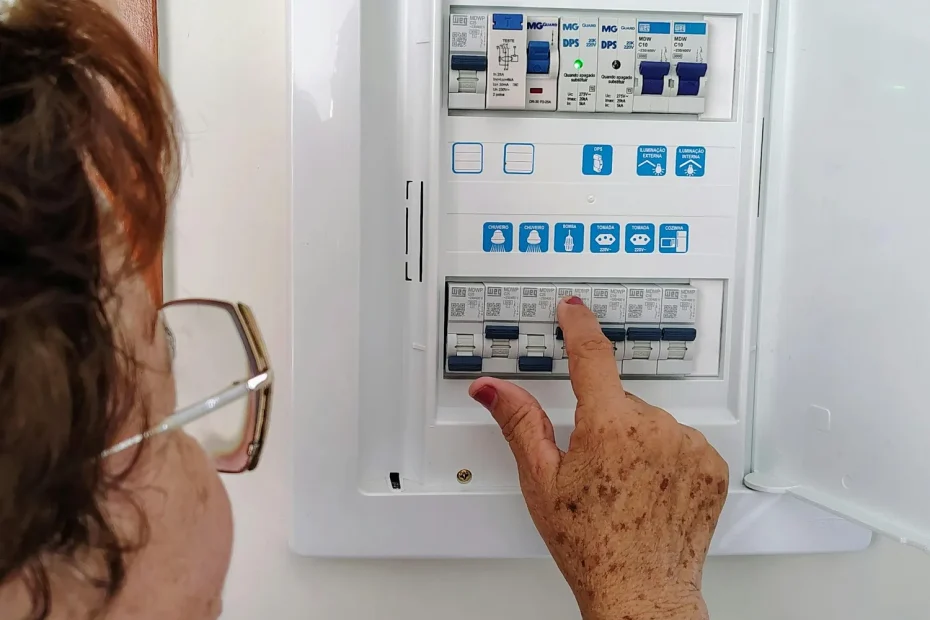
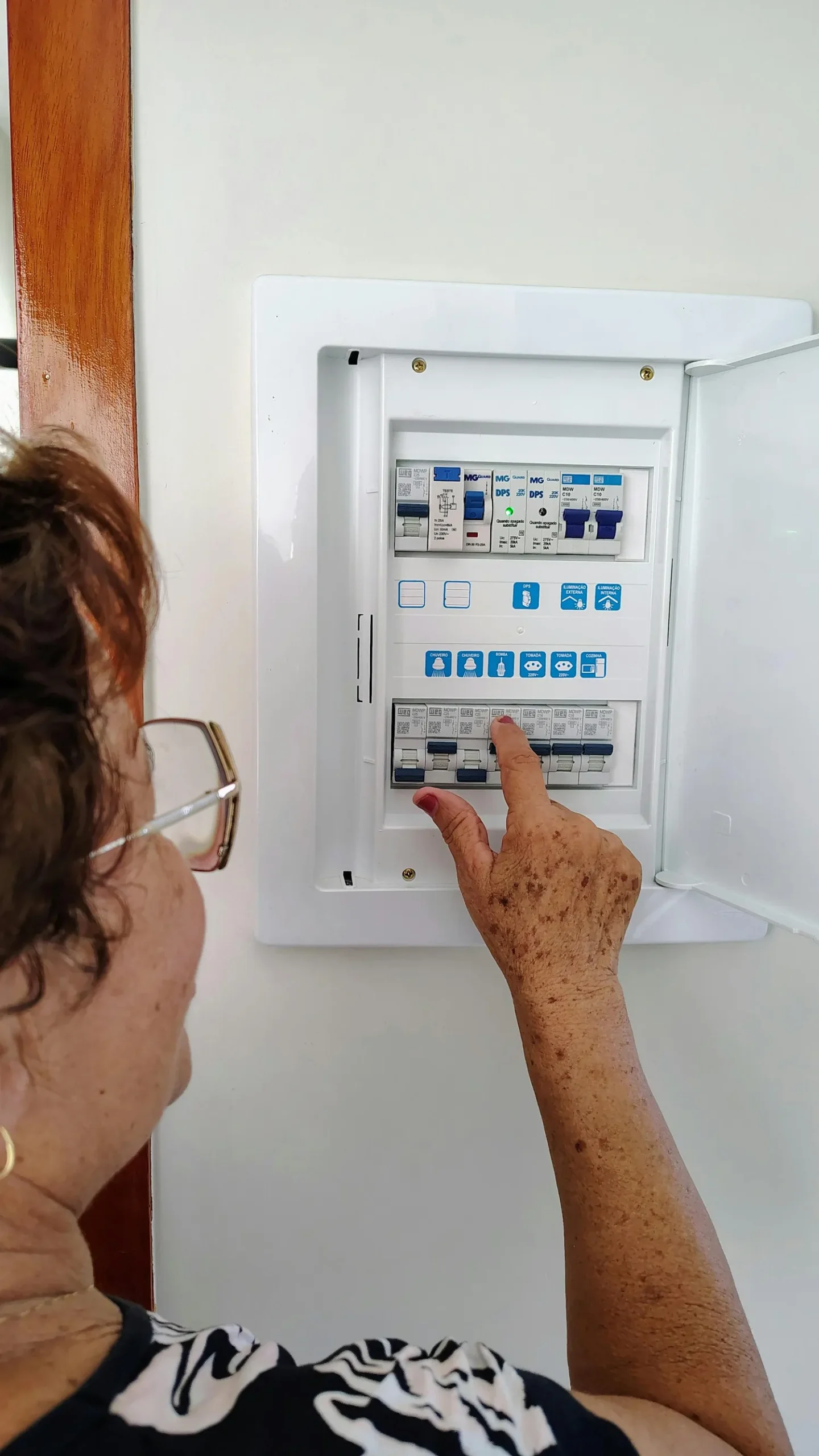
Give the consumer unit and RCDs a quick visual check for any switches that have moved or are in the off position. To try a reset, switch the relevant breaker fully off and then back on. If it trips again, unplug any appliances that might be causing the fault and try resetting once more. Do not open the unit or touch any exposed wiring, and make a note of which circuits have lost power so you can describe the issue clearly.
Have a look at plugs, cables and sockets for signs of damage such as burn or melt marks, exposed conductors or loose pins. If possible, test the device in a different socket to see whether the fault follows the appliance or stays with the circuit. If you find a fused plug, only remove the fuse with the appliance unplugged so you can check the fuse element safely.
If you are unsure at any point or the problem continues, contact a qualified electrician.
If you need to check plumbing or heating before calling a repairer, these simple steps will help you spot common issues and gather useful information.
– Locate and operate isolation valves and the stopcock so you can turn the water off if necessary.
– Feel pipe joints and traps for dampness. Check under sinks and around the washing machine and dishwasher connections for visible leaks.
– If a fitting is loose and easy to reach, tighten it by a quarter turn only.
– If one tap has low flow, remove the tap aerator or strainer and check for debris. Have a cloth or small container ready to catch any water.
– When bleeding a radiator that is cold at the top, capture any water that comes out.
– Confirm thermostat and room stat settings. Read and note the boiler pressure gauge, and make a note of any error codes, persistent noises or unusual smells to report.
– Take photos or short videos of faults. Write down the rooms affected and the sequence of events that led to the problem.
– Record the tests you performed and any recurring behaviour, for example if a breaker trips after using a specific appliance.
These notes and images will make it quicker for a repairer to diagnose the issue and help you explain what you have already checked.
3. Note findings, make safe temporary fixes, and know when to call a tradesperson
If you’re expecting a repair visit, a little prep can save time and stress. Take clear photos and short videos from several angles, including close-ups of any damage, visible labels and error codes. Save the files with brief notes about where you took them and what equipment is involved so the repairer can assess the issue before arrival. Write a concise timeline of what you heard, saw or smelled, which controls affect the fault, and each simple step you tried with the result to reduce guesswork and speed up diagnosis. Gather model and serial numbers, installation or warranty paperwork, and any previous repair notes. Also note any access restrictions or security arrangements so the technician can prepare. These records help the repairer prioritise parts and tools and give a clear starting point for any follow-up work.
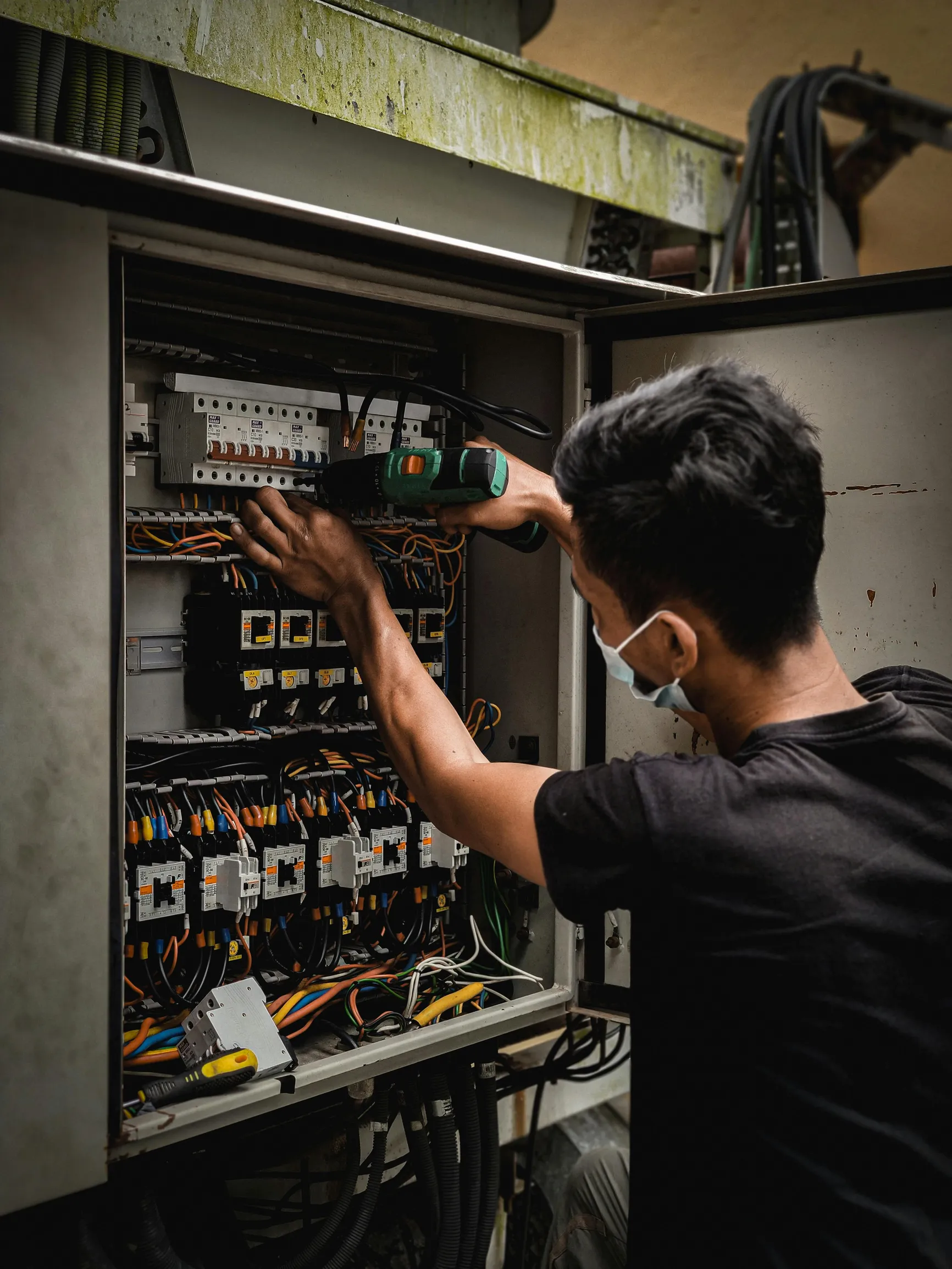
If it is safe to do so, turn off the electricity, water or gas at the correct shut-off point, contain leaks using buckets and absorbent cloths or towels, and use a rubber patch and clamp only as a temporary, reversible fix. Do not attempt electrical repairs beyond isolating circuits, and avoid anything that could cause sparks or release gas. If you notice a persistent smell of gas, visible sparking or smoke, uncontrolled flooding, structural cracking, or the same fault keeps returning after a temporary repair, call a qualified engineer or the emergency services straight away and explain the hazards clearly when you contact them.
A few quick, safe checks can help limit immediate harm and give a repairer the clear information they need to fix the problem efficiently. If it is safe to do so, secure any obvious hazards and check the consumer unit, valves and boiler settings. Note down what you find and take photos or record serial numbers where possible. Those tests, photos and numbers make it much easier for a repairer to diagnose and prioritise the work.
Work through these three steps to reduce risk and speed diagnosis. First, make the area safe and isolate the affected systems where you can do so without putting yourself at risk. Next, check electrical, plumbing and heating for obvious faults, but do not touch anything you are unsure about. Finally, note what you find and take clear photos, and make only simple, temporary fixes that reduce immediate danger. If any hazard persists, stop and call a qualified professional, and leave your notes and photographs to guide their work.