
Dodgy appliances left on standby, inefficient heating habits, and a clutter of single-use gadgets quietly inflate both bills and chores. Which devices truly reduce costs or hassle, and which just add another thing to manage?
If your home feels like it’s leaking time and energy, this guide shows how to spot the biggest culprits, pick fuss-free appliances and gadgets that actually save time and energy, and plan installation and upkeep so new kit does not become extra work. You will find simple checks to help you prioritise replacements, clear signs a gadget is doing more harm than good, and straightforward steps to slot new kit into your routine with minimal faff.
Identify your home’s biggest energy and chore leaks
Start by measuring, not guessing. Use a whole-home energy monitor alongside plug-in meters to spot real losses, including the standby draws from dodgy appliances and high-use kit. Prioritise simple fixes you can actually do, such as unplugging unused devices, fitting switched sockets or using smart plugs to cut phantom loads and schedule appliances for times of lower demand. Clear usage data makes it much easier to see which single change will shave the biggest chunk off your bill.
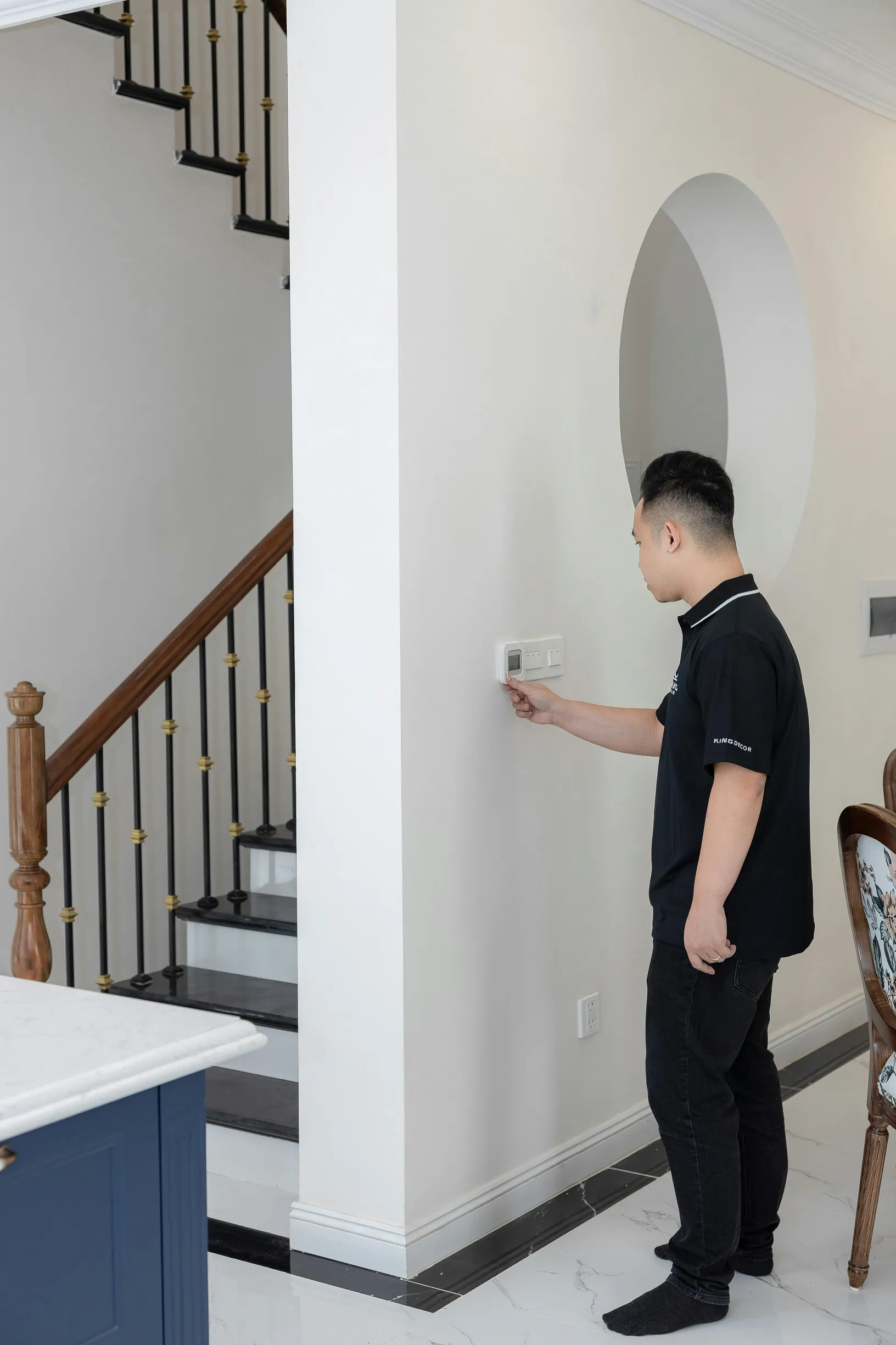
If you’re fed up with heating empty rooms, fitting thermostatic radiator valves and zone controls can make a big difference. Pick heating controls with a clear, fuss-free interface and check they are compatible with your boiler or existing controls to avoid installation headaches. Swap to LED bulbs and consider presence or daylight sensors in high-use areas to cut lighting energy and stop lights being left on. Optimise laundry and dishwashing by running full loads, using eco cycles and air-dry options, and keeping seals and filters well looked after so dodgy appliances do not waste energy; when replacing kit, favour models with straightforward eco programmes. And before you splash out on robotic helpers, weigh the time they save against the upkeep they need — regular emptying, brush cleaning, sensible placement, checking floor thresholds and pet-hair loads will determine whether they reclaim hours or create extra chores.

Choose fuss-free appliances that cut energy use and lighten household chores
Fit thermostatic radiator valves and a simple programmable control, map your home into heating zones, and use meter readings to check whether turning off unused rooms actually cuts consumption. Trials and practical studies often show that zoning can reduce whole-house heating energy by a noticeable margin. Plug-in energy monitors or smart plugs are handy for spotting dodgy appliances that draw standby power. Schedule high-consumption devices to run at sensible times, and consider a robot vacuum or mop so routine cleaning happens without daily effort. Try one change at a time so you can see the meter readings actually reflect the difference.
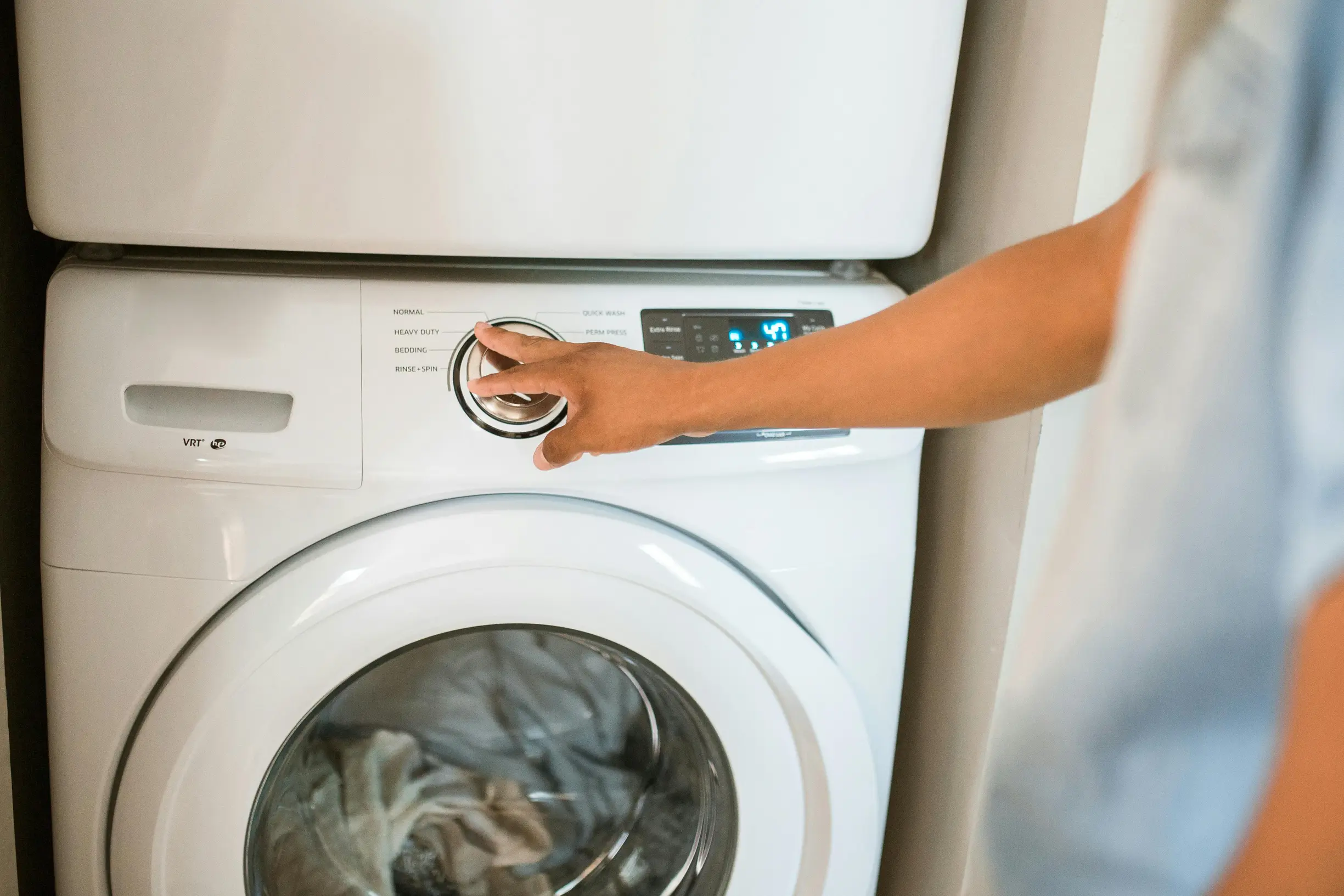
If you want to cut the energy and fuss around laundry and dishwashing, a few simple swaps make a big difference. When it comes to washing, prioritise machines with auto-dose, quick eco cycles and effective low-temperature programmes. Run full loads and avoid hot washes unless they are really needed. Low-temperature washes use far less energy, so choosing the right programme and a detergent that works at lower temperatures gives noticeable savings without extra effort.
For drying, pick a heat-pump dryer or a very efficient condenser if you need a tumble dryer. Use sensor-dry settings and, for smaller or partial loads, combine the dryer with indoor airers so you only tumble what needs it.
With dishwashers, run full loads on the eco programme, skip pre-rinsing, use half-load options when appropriate and pick the air-dry feature or open-door drying if your machine supports it. These habits cut water and electricity compared with handwashing while keeping chores low-stress.
How to integrate, maintain and know when to ditch a gadget
Start by getting a clear baseline. Check your smart meter, appliance labels or keep a simple household log to see how much energy you use and note how much time you spend on related chores. That will help you spot any dodgy appliances that guzzle power. Set a realistic goal, for example a target reduction in kilowatt hours or less time spent on those jobs each week, then try changes at home to reveal any compatibility quirks or user-experience problems. When choosing kit, favour devices that support open standards or local control so you do not get locked in to one vendor, and double-check they will work with your heating system, smart hub or phone before you commit.
Make a simple checklist of routine maintenance tasks, the consumables you’ll need and how firmware updates behave. Guard against dodgy appliances by checking whether spare parts are available and whether there are authorised repair centres or community repair options nearby. Keep a basic maintenance log, even a notebook or spreadsheet, so you can spot rising fault rates before they become a headache.
Track both kilowatt hours and the minutes you spend on chores to work out real-world savings, taking into account indirect benefits such as longer appliance life or fewer wash cycles. Weigh those savings against any extra cleaning or the extra fiddly controls the gadget might introduce. Calculate the ratio of time saved to time spent maintaining the device to see whether it actually reduces your household workload.
Decide exit criteria up front, for example falling performance, frequent resets or poor data privacy practices, and plan disposal through your local authority recycling scheme, manufacturer take-back or community reuse so you can recover useful parts.
Measure first, then act. Start by spotting the biggest energy and chore leaks, like a dodgy appliance or a fiddly gadget, then opt for simple, low-maintenance kit for the clearest gains. Confirm the benefit by tracking kWh saved and minutes cut from chores so you can see what really reduces bills and hassle and what only adds another thing to manage.
A few simple steps can make a big difference. Try using whole-home monitors alongside plug-in monitors, fit thermostatic radiator valves and establish clear heating zones. Do a short trial at home and keep a simple maintenance log to help you prioritise replacements and spot dodgy appliances early. Set straightforward goals, define exit criteria and make recycling plans so your devices do the work for you, not the other way round.