
Want to boost your home’s appeal but dreading a full renovation? I get it. Small, strategic fixes can tackle scuffed paint, poor lighting and dodgy appliances while making your place feel cleaner, roomier and more reliable.
I get it, prepping a place to sell or let can feel overwhelming. This post runs through ten small, low-cost improvements — from boosting kerb appeal and a fresh coat of paint to simple kitchen swaps, bathroom touch-ups, smarter storage and sealing draughts — that deliver an outsized impact. Follow the checklist to prioritise the most effective upgrades, cut clutter and tackle essential maintenance so each room works harder and appeals to more buyers or renters.
![{"image_loaded": true, "load_issue": null, "description": "A person is loading or unloading a dishwasher in a modern kitchen setting. The dishwasher door is open, revealing two racks filled with dishes and labeled 'sorting'. The person is seen from the side, with curly hair and wearing a green long-sleeved shirt. They are placing or adjusting plates in the lower rack. The kitchen has wooden cabinets and a dark countertop.", "people": {"count": 1, "roles": ["user"], "visible_demographics": "Adult person, pos](https://here4life.uk/wp-content/uploads/2026/03/image_loaded_true_load_issue_null_description_a_person_is_loading_or_unloading_a_dishwasher_in_a_modern_SP2c8G7UN2.webp)
1. Prioritise home upgrades that deliver the biggest return
If you’re preparing your home for sale, start locally by checking recent sold listings and estate agent comments to see which features buyers around you actually value. Target upgrades to those priorities rather than your own personal tastes. Deal with obvious deal-breakers first: repair dodgy appliances, fix leaks, sort out faulty electrics and tackle any damp or rot, because buyers penalise visible faults more than imperfect decoration. Focus on high-visibility, high-use areas such as the front door, hallway, kitchen and bathroom, and pick small interventions that deliver big visual impact — a fresh coat of paint, new handles and taps, resealed grout and a proper deep clean will often make the biggest difference.
If you are getting your home ready to sell, make it feel bigger and brighter by decluttering and depersonalising, fitting brighter energy-efficient lighting and using a neutral, coordinated colour palette so buyers can picture their own belongings. Protect value by sequencing work: deal with essential repairs first, for example fix any dodgy appliances, then move on to cosmetic updates and finally staging. Take before and after photos to document improvements, compare your results with nearby sale prices, and choose tradespeople who turn up on time and leave the place clean to avoid overcapitalising and unnecessary delays.

2. Boost kerb appeal with a welcoming front door and path
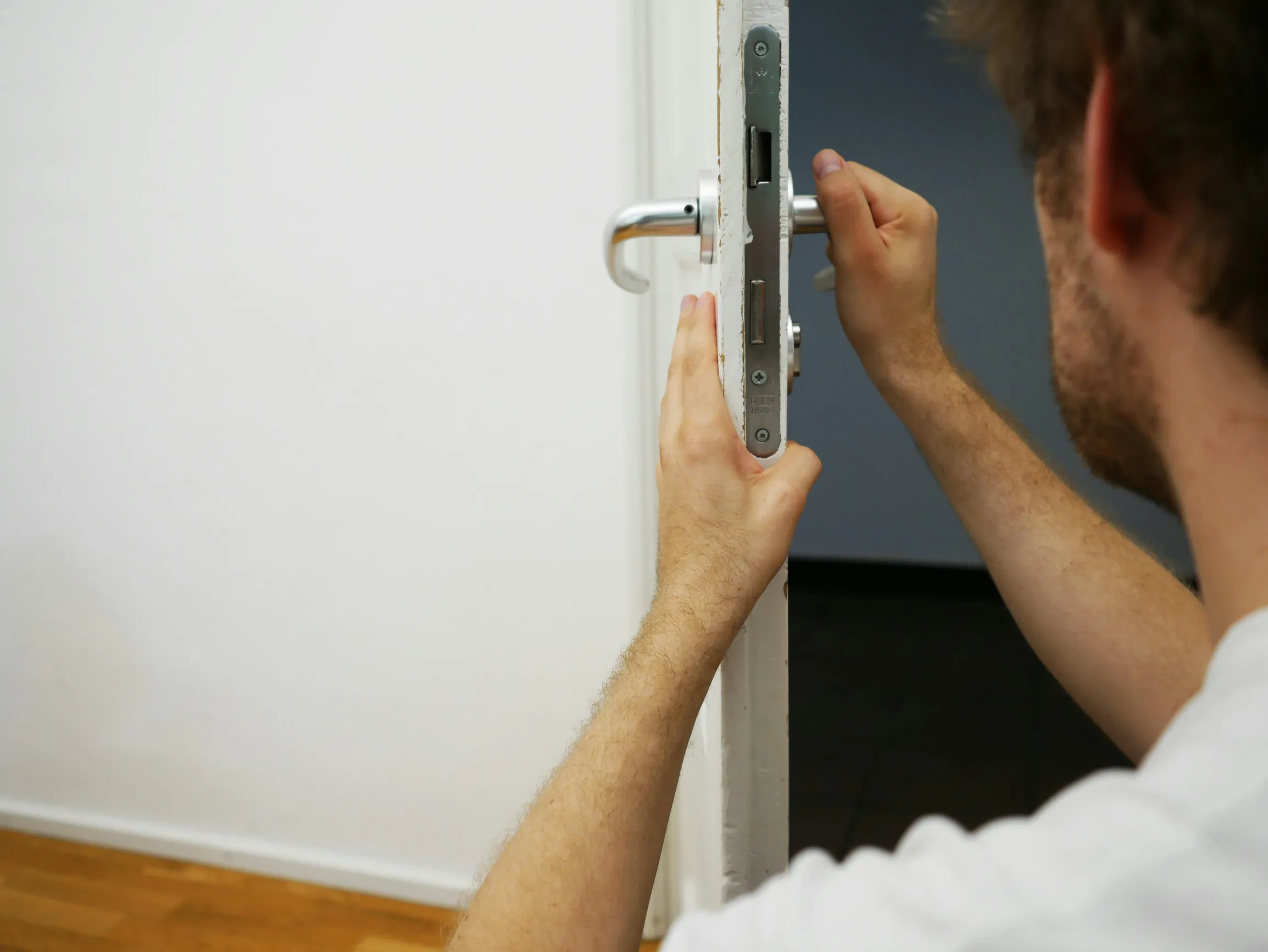
Boosting kerb appeal starts at the front door. A fresh coat of paint or stain makes an immediate difference. Tighten or replace any loose hinges, and give the letterbox, knocker and handle a good polish or swap them if they look tired. Make sure the lock works smoothly so the place reads as well cared for. Add a porch light and a few path lights to lift dark patches and pick out architectural details, and choose warm-toned bulbs for a welcoming glow people remember. Tidy the front garden by trimming hedges, edging the lawn and pulling up weeds. Placing matching planters either side of the door creates symmetry, opens up sightlines and helps the plot feel larger while showing the garden has been tended.
Small threshold details make a big difference to how people connect with a property. Swap a tired doormat, make sure the house number is clearly visible, check the doorbell and think about a small seat or a hanging basket to give the entrance personality that photographs well. Jet-wash paths and steps, lift or replace cracked paving, repaint railings and gates, and clear gutters and moss from rooflines to show the hard landscaping is sound. Neat, working external elements help viewers focus on the home itself rather than imagine a list of immediate repairs.
3. Freshen up walls and surfaces with paint and trim
If you’re about to tackle a repaint, don’t skip the prep. Clean surfaces with sugar soap, scrape off any loose paint, fill holes and cracks, sand smooth and wipe away the dust. Proper preparation helps the paint stick, lasts longer and stops little imperfections from looking obvious in different lighting or in photos.
Think about colour and tone before you buy a full tin. Light, neutral shades reflect natural light and make rooms feel bigger, so they’re a safe bet in smaller or darker spaces. Test samples on different walls to see how daylight and artificial light change the shade.
Finally, use a consistent palette through rooms that flow into one another. That visual continuity helps people read the space more easily and makes your home feel more put together.
Freshen up trim like skirting boards, door frames, window sills and internal doors with a hard-wearing finish to frame rooms and show you care. Crisp, contrasting trim photographs nicely and helps highlight any architectural detail. You do not need to repaint everything to get a tidy, well-kept look.
Use a few practical techniques to cut rework and hide visible flaws: cut in neatly with an angled brush, work in sections so you keep a wet edge when rolling, sand trim between coats, remove switch plates and sockets before you paint, and use thinner layers to avoid drips and runs. Target small, high-impact spots rather than every surface — think kitchen cupboard doors, a bathroom vanity or a slightly brighter ceiling to open sightlines and draw the eye.
Those focused updates often change first impressions and listing photos more than repainting hidden rooms, and they make it less likely viewers will fixate on dodgy appliances or other flaws.
![{"image_loaded": true, "load_issue": null, "description": "The image shows a modern kitchen corner with a wooden dining table and chairs on the left and a countertop with cabinets on the right. There are two large windows with white frames, allowing natural light to enter. On the countertop, there is a white sink with a black faucet and three decorative vases with green foliage near the right window. Above the countertop, two wooden shelves are mounted on the wall, holding various jars, decorative items, books, a cup, and stacked plates. The cabinets below the countertop are matte green. The flooring is light wood, complementing the natural and neutral color scheme.", "people": null, "setting": {"environment_type": "indoor", "location_hints": "kitchen with wooden flooring, large windows with outdoor greenery visible, kitchen countertop with sink", "depth_scale": "medium", "lighting": "natural daylight from windows", "temperature": "neutral"}, "objects": {"primary_objects": ["dining table", "wooden chairs", "kitchen countertop", "sink", "black faucet", "decorative vases", "green foliage", "shelves", "jars", "books", "cup", "plates"], "secondary_objects": ["wood flooring", "window frames"], "object_interaction": "no people visible; objects are arranged for decoration or use"}, "composition": {"subject_focus": "kitchen corner with dining area and countertop", "relationships": "dining table and chairs on the left; countertop and sink on the right, shelves centered above countertop", "depth_structure": "foreground features dining table and chairs; mid-ground is countertop and cabinets; background is window and outdoor greenery", "camera_angle": "eye-level", "cropping": "medium wide shot"}, "motion": null, "aesthetic": {"medium": "photograph", "style_subtype": "realistic, modern interior", "color_palette": "muted, natural tones", "contrast_level": "moderate", "texture_and_grain": "smooth surfaces, matte cabinet finish", "postprocessing": "natural lighting with slight softening"}, "tone": {"visual_mood": "calm and clean", "lighting_influence": "bright natural light", "camera_distance_effect": "moderate, functional view"}, "confidence": {"demographic_confidence": null, "activity_confidence": null, "setting_confidence": 0.95}}](https://here4life.uk/wp-content/uploads/2025/04/image-5.png)
4. Transform your kitchen easily with small, high-impact swaps
Swap door handles, knobs and hinges so they all share a single finish, and fit soft-close hinges where it makes sense. That gives fittings a considered look and stops doors from banging, which many buyers take as a sign of poor upkeep. Replace the tap and reseal around the sink, or fit a contemporary single-lever mixer to make the area work better and reduce the impression of dodgy appliances. A continuous splashback, or a good clean and regrout of existing tiles, creates an uninterrupted surface behind the hob and sink that looks cleaner and is easier to keep tidy.
Give a small kitchen a lift with a few simple swaps. Add under-cabinet lighting strips, pick a flattering colour temperature and reposition a pendant or ceiling fitting so worktops are better lit. Good lighting brings out surface quality and makes compact kitchens feel larger.
Paint or refinish cabinet doors and exposed end panels, or swap a couple of doors for open shelving to show neat crockery and create a more uniform finish. Paired with coordinated hardware, fresh taps, cleaner grout and brighter illumination, these tweaks make a space feel modern and well maintained without moving any plumbing.
Together, these small changes shift how the layout reads, improve everyday usability and help buyers imagine the kitchen in regular use.

5. Refresh the bathroom with modern, low fuss touches
Start with the basics: regrout the tiles, replace degraded silicone and fix any leaks or cracked tiles. That will remove visible mould, stop water getting in and prevent hidden timber and plaster damage that surveyors and buyers tend to spot. Then give the room a simple refresh by swapping dated tapware, shower heads, the toilet seat and cabinet handles for matching, streamlined finishes. Consistent metalwork and straightforward, modern shapes often lift the whole bathroom more effectively than big, mismatched upgrades. These small repairs and cohesive fittings make surfaces look cared for and signal that the bathroom is well maintained.
To make a small bathroom feel roomier and leave a better impression at viewings, focus on light, storage and ventilation. Fit a bright, moisture-proof ceiling fitting and add task lights around the mirror, and think about a larger or anti-mist mirror so the space reflects more light and buyers can inspect surfaces easily. Clear worktops with discreet storage such as a shallow vanity, recessed shelving, hooked rails and tidy baskets to improve circulation and show practical use of the space. Refresh paintwork with a moisture-resistant, pale paint and make sure the extractor fan or vent is working properly to reduce condensation and mould risk, which often flags up on home reports. These simple, low-fuss touches create a brighter, cleaner-feeling bathroom that helps viewers picture everyday life in the room.

6. Repair and replace worn flooring in high-traffic areas
It helps to map the busiest routes through a room and photograph any worn patches so you can prioritise repairs where people enter, cook and move furniture. Use a straight edge to spot dips, press firmly to check for sponginess, and watch for odours or staining that could point to hidden moisture or rot needing more than a surface fix. Concentrate work on corridors and other high-use zones to slow further damage and make the biggest difference to daily use and inspections.
A few simple checks will help you match the remedy to the damage. If scratches are only superficial, sand and refinish solid timber; patch and reseal vinyl where seams lift; and replace boards when they move, the subfloor feels dodgy, or water has compromised the structure. Choose materials using measurable criteria such as wear and abrasion ratings, water resistance and slip resistance, favouring options that stand up to heavy foot traffic, repeated cleaning and local humidity. Prepare the subfloor by levelling and drying it, fitting suitable underlay and moisture barriers, staggering joints, leaving expansion gaps and securing tidy transitions to prevent trips and water ingress. Create visual continuity with a neutral colour palette and consistent plank sizes, repair edges and skirting for a finished look, and protect high-traffic zones with washable runners and felt pads to extend the life of the new surface.

7. Upgrade lighting, switches and fittings to modernise your home
If you want rooms to feel more pulled together, standardise the bulbs you use. Choose LED lamps with the same colour temperature and a high colour rendering index so paint, fabrics and tiles appear truer and brighter. Change mixed fittings one room at a time and keep a spare bulb as a sample to match future purchases; this makes maintenance simpler and avoids mismatched tones. Add controllable lighting, such as dimmer switches, zoning or simple smart controls, so you can set the right brightness for cooking, relaxing or entertaining, but check bulb compatibility first to prevent flicker. Use zoning to make small rooms feel larger or more cosy on demand, rather than adding lots of visible fixtures that clutter the look.
For a neat, considered look, swap visible switches, sockets and grab handles to a single finish and style. Always turn off the circuit at the fuse box before changing any faceplates, and call a registered electrician for anything beyond a simple cosmetic swap.
Think in lighting layers where it matters: task lighting over kitchen worktops and home offices, ambient pendant lights in living spaces to set the mood, and small accent lights for alcoves or artwork to highlight strengths and hide flaws.
Put safety and efficiency first by replacing any flickering or loose fittings and by sorting out dodgy fixtures. Fit motion sensors in halls and outside areas, and choose water- or energy-efficient fittings in wet rooms. These small changes make your home more comfortable, help it feel better quality and can reduce running costs.
![{"image_loaded": true, "load_issue": null, "description": "The image shows an indoor kitchen with wooden cabinets and a central island. There are three black pendant lights hanging from the ceiling above the island. The kitchen has a white dishwasher, microwave, and stove. On the island, there are various small glass containers with spices or similar contents and a black pot. To the left, there is a wooden dining table with two chairs and some open notebooks. Through a doorway on the right, a laundry room with a washing machine, dryer, and some hanging clothes is visible. Natural light comes from a window above the sink.", "people": null, "setting": {"environment_type": "indoor", "location_hints": "kitchen with wooden cabinetry, dining table, laundry room visible, natural light from window, linoleum or tiled flooring", "depth_scale": "wide", "lighting": "natural and artificial lighting combined, slightly dim interior", "temperature": "neutral"}, "objects": {"primary_objects": ["wooden kitchen island", "kitchen cabinets", "dishwasher", "microwave", "stove", "washing machine", "dryer", "dining table", "chairs", "black pot", "various glass spice jars", "notebooks"], "secondary_objects": ["coffee maker", "toaster", "laundry basket", "clothing hanging in laundry room"], "object_interaction": null}, "composition": {"subject_focus": "kitchen island centrally placed", "relationships": "dining table in foreground, kitchen cabinetry and appliances in background, laundry room visible through doorway", "depth_structure": "foreground dining table and chairs, midground kitchen island, background cabinetry and laundry room", "camera_angle": "eye-level", "cropping": "wide shot capturing full kitchen and adjoining laundry room"}, "motion": null, "aesthetic": {"medium": "photograph", "style_subtype": "realistic", "color_palette": "muted with warm brown and beige tones", "contrast_level": "moderate", "texture_and_grain": "smooth", "postprocessing": "minimal"}, "tone": {"visual_mood": "calm, utilitarian", "lighting_influence": "diffused natural light with soft artificial light", "camera_distance_effect": "moderate distance creates an inclusive view of space"}, "confidence": {"demographic_confidence": null, "activity_confidence": 0.8, "setting_confidence": 0.95}}](https://here4life.uk/wp-content/uploads/2025/04/image-7.png)
8. Add clever storage and declutter to make the most of space
Short on space? You can make rooms feel bigger without knocking down walls. Fit tall, floor-to-ceiling storage such as recessed cupboards or fitted wardrobes to free floor area and draw the eye upwards so rooms read as larger. Declutter room by room using a simple three-box method: keep, rehome, and recycle; clear flat surfaces, get rid of single-purpose items, and tuck away off-season belongings to reveal the room’s original proportions and any nice architectural features. Pick multifunctional pieces and make the most of internal storage with adjustable shelving, pull-out trays and drawer dividers to reduce clutter and improve circulation around the room.
If cupboards and wardrobes feel cramped, small changes can make a big difference. Fit organisers and improve access with adjustable shelving, pull-out trays, drawer dividers and door-mounted racks so you can actually see and use the space. Create a calm, consistent look by using uniform boxes and labelled containers, keeping open shelving to a small, curated selection, and arranging items by colour or function so rooms feel ordered and easier to imagine living in. Showing the contents when cupboards are opened proves the real storage available, while tidy surfaces and coordinated storage cut visual noise and draw attention to the home’s best features. Together, vertical storage, multifunctional furniture and neat interiors make a place feel bigger without rebuilding, helping anyone viewing the space picture how it would work for them.

9. Improve home energy efficiency by sealing draughts and adding insulation
Start by tracking down and sealing draughts using a candle or smoke pencil around windows, doors, skirting boards, loft hatches and service penetrations. Apply sealant, expanding foam or brush strips where needed, then repeat the test to make sure the draught is gone. Top up and arrange loft insulation so it forms an even layer across the joists, around the water tank and over pipework, while keeping eaves and ventilation clear so roof timbers can breathe. Lag any accessible hot water cylinder and insulate the flow and return pipework, checking jackets and pipe lagging for gaps and replacing or topping up damaged material to restore performance.
Before you insulate walls, get a competent survey to check whether you have a cavity and whether internal or external insulation is the right option. The wrong approach can introduce damp and damage the building fabric. Any increase in airtightness needs to be balanced with purpose-provided ventilation. Keep trickle vents and extractor fans in place, make sure air bricks are not blocked, and ensure combustion appliance flues remain clear and correctly sealed. Sealing up without controlled ventilation often leads to condensation and mould, which can harm the building and even cause problems with dodgy appliances. The right combination of wall insulation and controlled ventilation will improve thermal performance and can lift an energy performance rating that buyers will notice.

10. How to tackle essential home maintenance and minor repairs
Sort leaks and treat mould at the source, and make good peeling paint, loose skirting, cracked tiles and wobbly banisters. Those visible faults give the impression of neglect and can knock offers more than the cost of the repairs. Get your heating and hot water systems serviced, bleed the radiators and replace failing thermostats or valves so essential systems work reliably and are less likely to fail inspections. Fix faulty sockets, secure loose switches, check that smoke and carbon monoxide alarms are working and ensure the consumer unit is clearly labelled. Keep invoices, service records, guarantees and any certificates for work or dodgy appliances so you can show documented proof of ongoing maintenance.
Together, these small fixes lower the perceived risk for prospective buyers by removing obvious faults, showing that the heating, hot water and electrics work, and tackling signs of damp or neglect. Providing service certificates and receipts helps solicitors and surveyors move checks along and gives buyers reassurance if they are worried about dodgy appliances or hidden defects. Because many of these jobs are straightforward or routine, sellers can often present a dry, safe and well documented home that surveys are less likely to flag.
Small, well-chosen repairs and cosmetic swaps can make a big difference to how your home looks and works, shifting attention from faults to usable space. Focus on the places people notice first, such as hallways, kitchens and bathrooms, and aim for consistent finishes, better lighting and smarter storage. Even simple fixes, like sorting out dodgy appliances or freshening paintwork, often remove the common deal-breakers that buyers and surveyors spot.
Think back to the checklist: kerb appeal, fresh paint, new kitchen handles, a re-sealed bathroom, smart storage solutions and sealing draughts. Focus on the interventions that matter most, tackle the essentials first, keep a clear record of the work and any service history, and show these to viewers to reduce perceived risk and help them picture themselves living there.