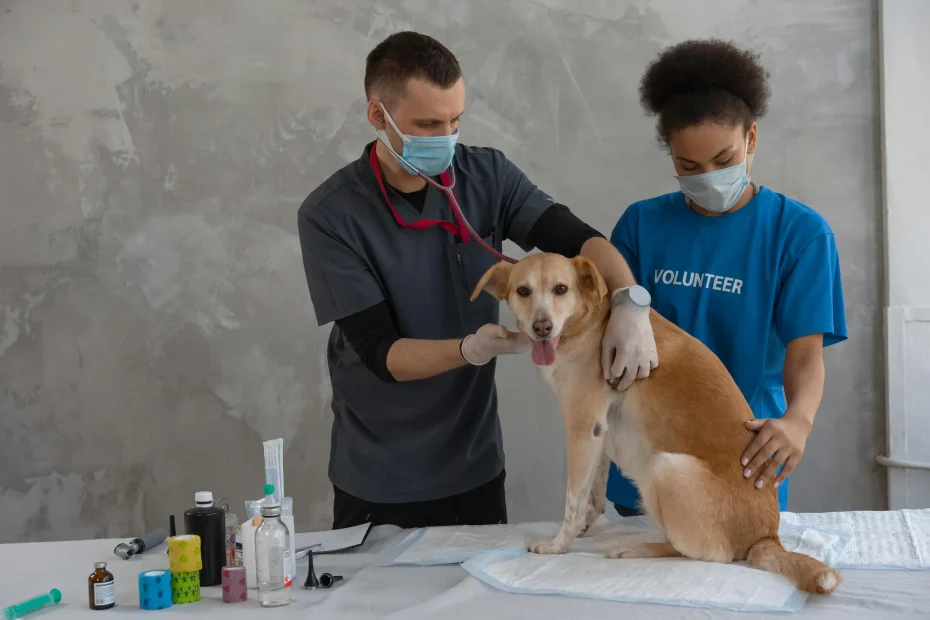
Vet visits can feel sudden and expensive, and it’s easy to be unsure how to prevent them. Often, subtle changes in a pet’s weight, appetite, coat condition or behaviour show up long before something becomes serious.
Want to make pet care simpler and less stressful? This guide walks you through setting up a straightforward preventative routine, carrying out quick at-home checks to spot early warning signs, and keeping costs manageable with pet insurance and a sensible approach to vet visits. Follow these practical, evidence-based steps to reduce nasty surprises, help your pet stay healthier, and feel more confident making care decisions.
How to set up a simple preventative care routine
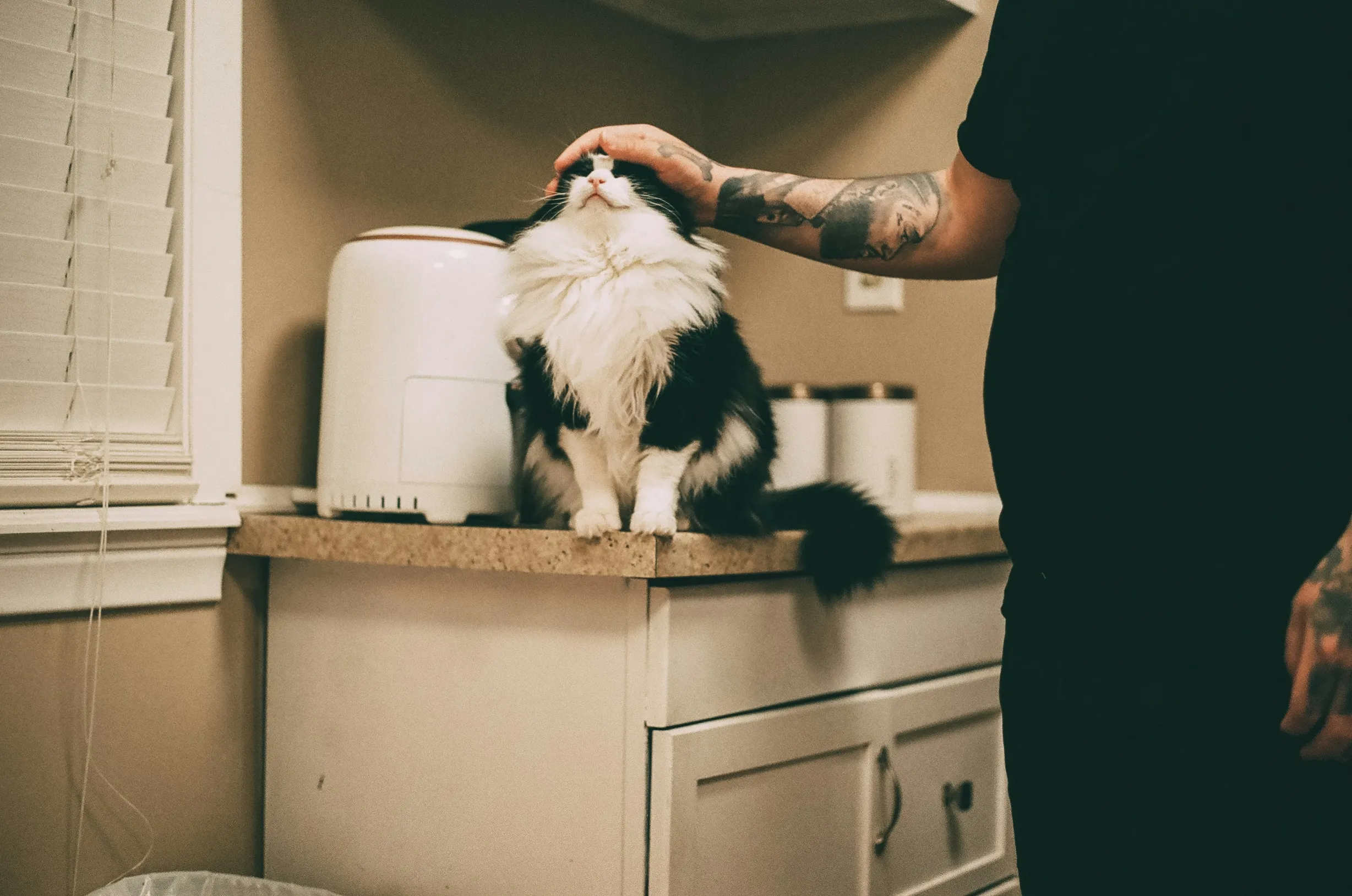
Keep one portable medical file and a simple checklist to record vaccinations, worming and flea treatments, allergies and any reactions. It might feel like a faff, but this makes it easier to spot missed care and avoid unnecessary repeat treatments. Every so often do a quick head-to-tail check at home, photograph any new lumps, skin changes or changes to their gait, and note appetite and loo habits to build a visual record of subtle shifts. Clear notes and photos help you recognise patterns before problems escalate.
Get into a simple routine of checking your pet’s mouth. Look for bad breath, red or swollen gums or any loose teeth, and keep up with regular cleaning to reduce the risk of extractions and secondary infections. Stay on top of parasite prevention and vaccinations that suit your pet’s lifestyle, and give the coat and poo a quick check for fleas, ticks or worms so you can spot infestations early. Use body condition scoring to assess weight by feeling the ribs and checking for a tidy waist, then adjust portion sizes if needed. Add mental and physical enrichment to help maintain healthy weight and mobility. Together these small, regular checks cut the chance of chronic problems like joint disease and metabolic conditions and give you clearer signs to act on before treatment becomes more involved.
Quick at-home checks to catch early warning signs
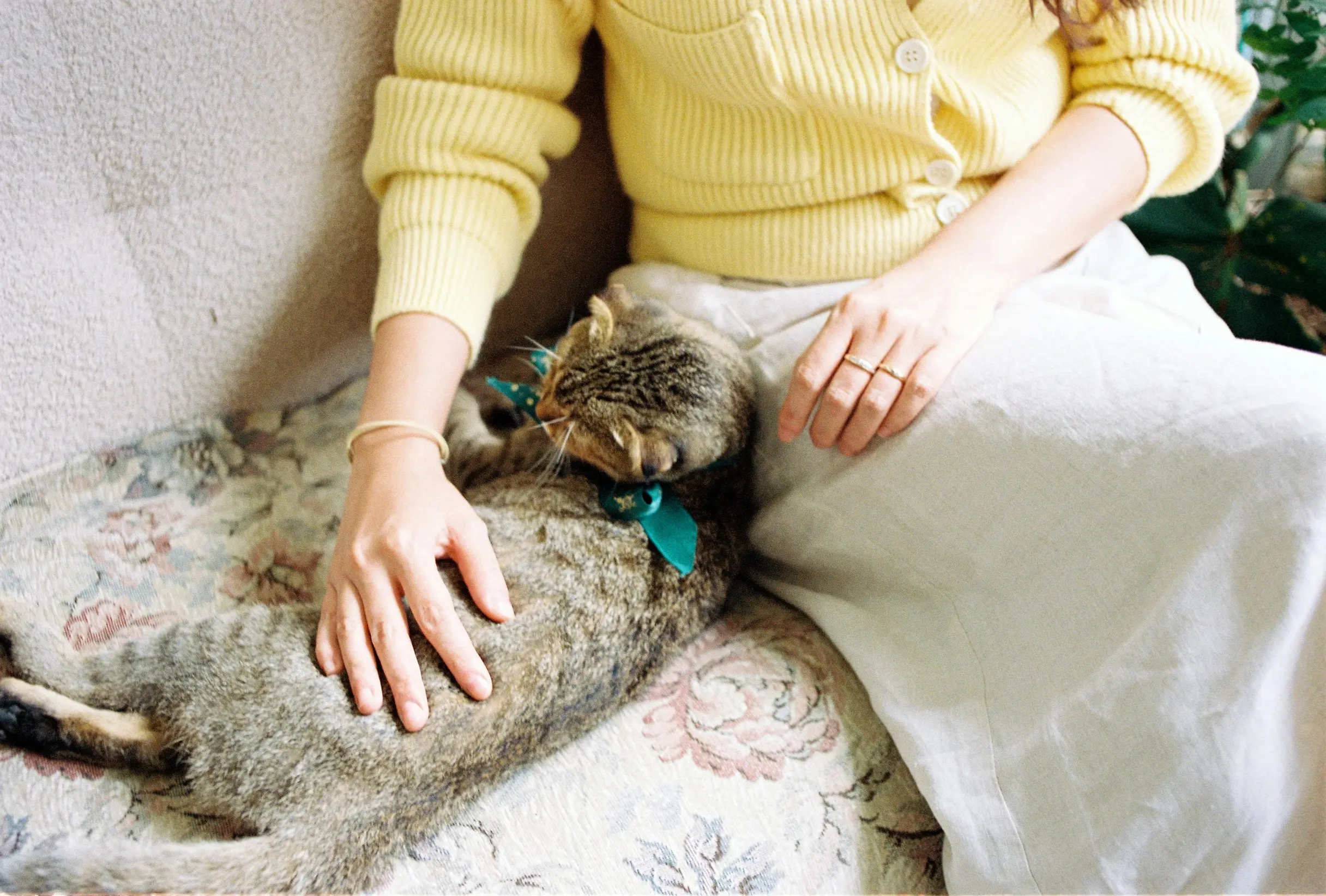
Start with a hands-on body-condition check. Gently run your hands along your pet’s ribs, spine and hips, and take photos from above and from the side to build a visual baseline. Small gains or losses you can feel or see often come before obvious signs of illness, and photos make gradual change much easier to spot when you show them to a vet. Next, do a simple mouth, eye and ear inspection. Lift the lips to check for stained teeth, swollen or bleeding gums and persistent bad breath. Shine a torch into the eyes to look for cloudiness or discharge, and peer into the ear flaps for redness or debris. Try to keep your pet calm and comfortable while you check them.
Keep an eye on your pet when they get up, walk, climb or jump and gently feel their main joints for heat, swelling or stiffness. Early arthritis or limb injuries often show up as a slight limp or reluctance to jump. Part the coat to look for bald patches, scabs, lumps, ticks or flea dirt, and check paw pads and between the toes for cuts or bits of debris. Persistent scratching can lead to secondary infections, so make a note of it. Keep a simple log of appetite, water intake, toileting, energy levels and any unusual behaviour, and take photos of anything odd, such as abnormal stools or wounds. Contact a vet promptly if your pet has repeated vomiting, blood in their urine or stool, trouble breathing or suddenly collapses.
How to manage pet costs, arrange insurance and spot when to see a vet
Have a chat with your vet to put together a personalised preventative plan that covers vaccinations, parasite control, dental checks and neutering. Keep every entry together in a single health folder so missed items stand out. A complete record makes it easier to spot gaps early and can stop treatable infections or dental issues turning into emergency visits. Check your pet’s body condition regularly, measure out portions and choose a complete diet suited to their life stage and health. If they need to lose or gain weight, follow a vet-led plan, because keeping weight and dental hygiene in good nick reduces the risk of joint problems, diabetes and periodontal disease.
Keep copies of your pet’s medical records, a current medication list, and contact details for your practice and the local out-of-hours service in an easy-to-access folder or digital file. That way triage and treatment can proceed without delay.
When comparing pet insurance, check the type of cover, exclusions, excesses and claim limits. Run policies through realistic scenarios, such as an accident or a chronic condition, to see which would have paid out. Read the small print on ongoing medication, congenital conditions and complementary therapies so there are no surprises later.
Watch for red flags like laboured breathing, persistent vomiting or diarrhoea, collapse, severe bleeding, a sudden change in behaviour, or an inability to eat or drink. Keep the animal calm, immobilise any injuries where possible, and take medication containers or samples with you to the clinic. Do not give human medicines to your pet without veterinary advice. If you are unsure, contact your vet or the out-of-hours service for guidance.
A few simple preventative routines, quick home checks and clear records help you spot small changes in weight, coat, appetite or mobility before they become emergencies. Regular oral care, parasite prevention, keeping an eye on body condition and making sure vaccinations are up to date cut the risk of advanced dental, parasitic and infectious problems and make any visit to the vet quicker and more effective.
It helps to keep one health file for your pet and a simple head-to-tail checklist for regular checks. Photograph any lumps or changes to their poo so you build a visual baseline your vet can act on. Pick one small habit and stick with it, and be alert to red flags such as laboured breathing, persistent vomiting, collapse or severe bleeding. If you notice any of these, call your vet straight away to reduce surprises and help your pet stay healthier.