
Choosing the right HSG264 survey category can feel confusing and inconsistent, and getting it wrong can increase safety, disruption and compliance risk. This post unpicks the HSG264 categories, explains what the older type two and type three labels now mean, and shows how to match the correct category to a building’s occupancy, construction materials and planned works.
You’ll find practical, evidence-based criteria to help you make an informed choice, plus straightforward steps to commission a survey, act on the findings and set up ongoing checks. Follow these steps to reduce uncertainty, focus effort where it matters and make sure surveys deliver usable, site-specific results you can act on.

A practical guide to interpreting HSG264 survey categories
HSG264 categories are based on measurable building features rather than subjective labels. Assessors compare observed elements against defined thresholds. Key factors they check include:
– Construction type
– Escape route geometry and continuity
– Compartmentation integrity
– Ventilation provision
– Occupant vulnerability
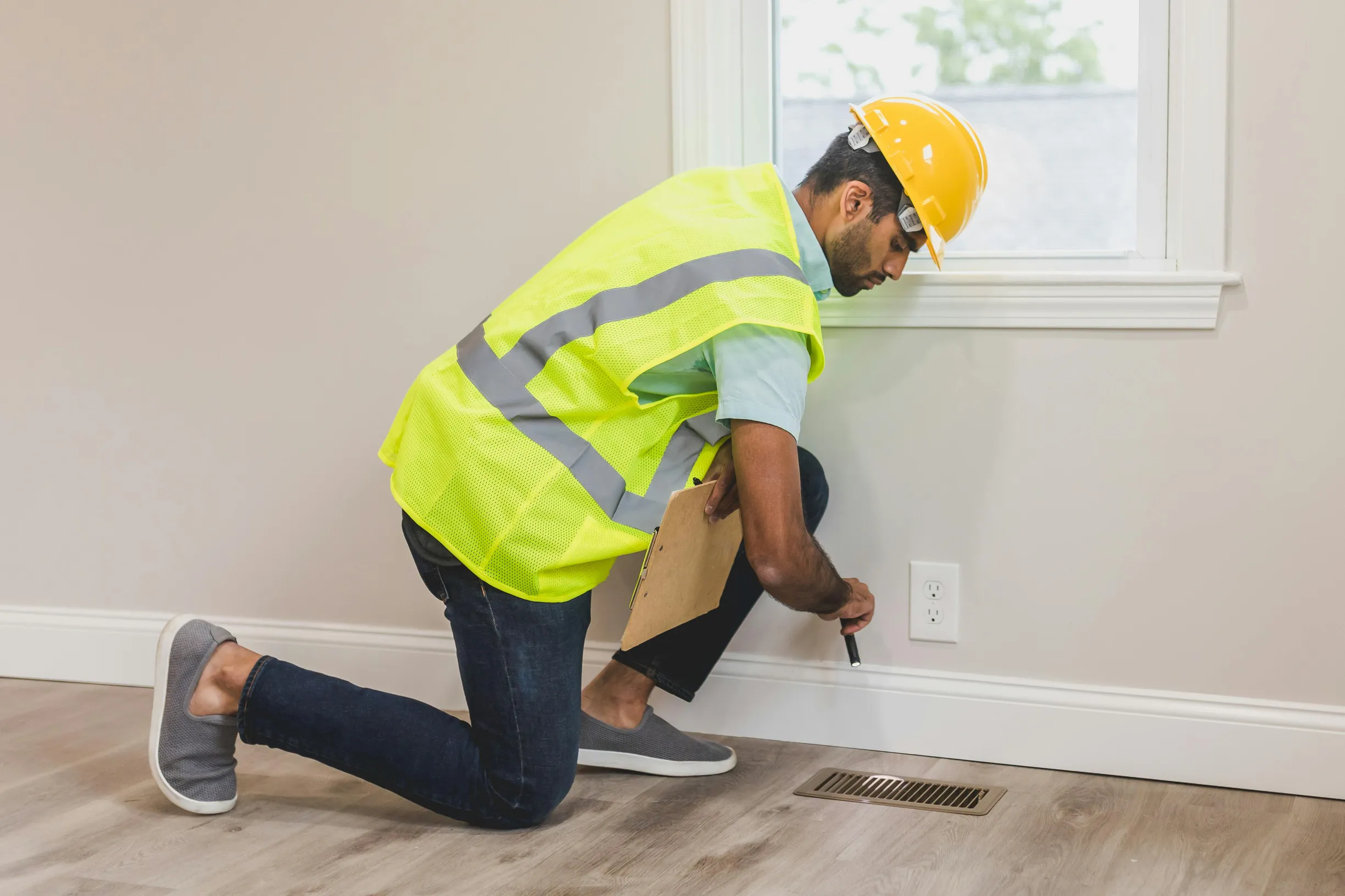
During an inspection, practical steps to take are:
– Photograph any defects and important features, and make sure images are clearly labelled
– Measure compartment sizes and door clearances
– Note materials in use and patterns of occupancy
– Record fire safety provisions such as detection systems, alarms and means of escape
Surveyors will also accept documentary evidence that supports what they find on site. Useful records include as-built drawings, maintenance logs, test certificates, fire door inspection reports and evacuation records. Linking photos to the relevant documents creates a clear audit trail that shows how each observation matches the category criteria.
Mitigation and compensatory measures can reduce immediate harm, but they should only change an assigned category when they are permanent, clearly effective and backed up by test results such as smoke tests, pressure differential checks, alarm commissioning records and recent maintenance logs.
When situations are unclear, for example partial compartmentation, mixed use or shared escape routes, apply objective tests and tolerances. Practical checks include seal integrity tests, measured travel distances and occupancy density thresholds. Make sure you record the decision rules you used to justify the outcome so the reasoning is clear and repeatable.
Turn the category you assign into action by specifying three levels of response: immediate protections for any imminent risk, short term measures to reduce exposure, and longer term remedial works. Prioritise interventions with a simple likelihood versus consequence matrix so effort is focused on the actions that deliver the biggest net reduction in risk.
How to update obsolete type two and three terms to modern categories
If you are working from older reports, start by translating obsolete “type two” and “type three” labels into the actual tasks they describe. Then compare those tasks with modern survey descriptions to decide whether the work is non-intrusive, intrusive or targeted to planned works. Phrases such as “opening up”, “behind finishes” or “strip-out” normally indicate an intrusive scope that belongs with a refurbishment and demolition survey, while wording that limits checks to visible, accessible areas generally maps to a management survey. Use a simple checklist to prioritise where to inspect: finishes and coverings, suspended ceilings, service risers, voids above ceilings and below floors, plant rooms and known refurbishment zones. These are the places asbestos is most likely to be hiding, so focusing inspections here helps you get the most useful information.
Be clear about what you mean by sampling. Distinguish visual mapping with representative sampling from a systematic intrusive inspection. Mentions of laboratory testing, bulk sampling or material identification in legacy notes are clear indicators that a more intrusive approach may be needed.
Make the record-keeping and scope decisions straightforward. Update drawings, log the rationale for the chosen survey category, prepare a signed brief linking the survey type to the intended works, and archive the original documents alongside the new classification so future duty holders and auditors can trace the decisions.
Where it is safe and permitted, validate assumptions with a short probing inspection. Photograph and annotate hidden-risk locations, and use those observations to decide whether a full intrusive survey is required. If anything is ambiguous, escalate to a competent surveyor. Share examples of unclear legacy wording paired with the observable findings so decision makers can make evidence-based choices.

How to assess occupancy, materials and planned works
Begin with a simple occupancy checklist that records building use, the number and type of occupants, sleeping accommodation and how often areas are accessed. Use these answers to support whether a survey should be more or less extensive. Identify likely asbestos-containing materials by location and appearance, for example textured coatings, floor coverings, insulation and gaskets, and assess their potential to release fibres based on condition. Where sampling is needed, take representative samples, clearly label any suspect items and keep previous survey records to justify your chosen scope and avoid unnecessary repeat inspections.
When you plan building work, match the survey depth to the type of intervention. Surface maintenance needs a much less invasive inspection than penetrative repairs, ceiling removal or a full strip-out, which require more thorough surveys. Flag any activities that could disturb hidden voids or services so the survey specifically checks those areas. Decide who will commission and sign off the survey, and keep clear records such as survey reports, plans and access logs to demonstrate due diligence. Give priority to high-risk locations like plant rooms, service risers, voids and spaces above suspended ceilings, and carry out initial visual checks using non-destructive probes where it is safe to do so. If initial findings, or areas you could not access, suggest there may be hidden asbestos, arrange a follow-up invasive inspection.
Occupancy, sampling, and work-type survey plan
- Confirm occupancy and access using a practical checklist: record building use, number and type of occupants, presence of sleeping accommodation, hours and frequency of access, site contacts, temporary relocation needs, and site security, and use these answers to justify a higher or lower survey category because sleeping accommodation and high-frequency access increase potential exposure and warrant more intrusive inspection.
- Adopt representative sampling and a strict chain-of-custody: select samples from different locations and appearances, prioritise likely asbestos-containing materials such as textured coatings, floor coverings, insulation, and gaskets, perform safe non-destructive probing where appropriate, photograph and clearly label suspect items on site, seal and log samples with tamper-evident packaging and submission forms, and retain previous survey records and all sample results to support scope decisions and audits.
- Map planned works to the minimum survey depth and assign responsibilities: link interventions (surface maintenance, local penetrative repairs, ceiling removal, full strip-out) to the required inspection depth, flag activities that will disturb hidden voids, plant rooms, service risers, and areas above suspended ceilings for priority investigation, designate a competent person to commission and sign off the survey, and schedule invasive follow-up when initial findings or inaccessible spaces indicate potential hidden asbestos, keeping survey reports, plans, access logs, photographs, and sign-off records on file.
How to choose the right HSG264 category using practical criteria
Begin by mapping the building features that influence HSG264 categorisation. Record the number of storeys, whether the accommodation is flats or single units, how many households share each escape route, and the construction of the external walls. Taller buildings, shared vertical circulation and combustible external materials are more likely to fall into higher categories.
Survey passive fire protection and note any breaches. Measure compartment sizes, check fire doors, cavity barriers and service riser seals, and photograph any penetrations or missing fire-stopping. Compromised compartmentation is a common trigger for stricter categorisation.
Finally, assess active systems and occupant resilience. Record the presence and maintenance status of smoke detection, alarm systems, suppression and emergency lighting, and take into account residents’ mobility or dependency profiles. If systems are absent or unreliable, that can justify moving the building to a higher category.
Checking for external fire hazards can feel technical, but a clear, evidence-led approach makes it manageable. When you inspect external hazards and retrofit works, photograph cladding, balconies, exterior renders, window replacements, waste-storage locations and any adjacent structures. Look out for combustible finishes, hidden voids or poorly executed repairs that could materially affect external fire spread.
Document what you find with a simple checklist, annotated photos, a measured sketch and concise risk notes. For each item, map the evidence to the HSG264 criteria so you have a clear, auditable decision trail. Where the evidence is ambiguous, record the reasoning behind any judgement and escalate the issue to a competent fire safety professional.
Taken together, this evidence-led method provides a defensible basis for categorisation and for any remedial recommendations.

Organise a survey, act on the findings and keep checks in place
Deciding on the right survey and preparing the paperwork makes the process quicker, safer and less intrusive. Try these practical steps:
– Pick the correct survey category: choose a management survey when materials will remain in place and you just need to check location and condition. Choose a refurbishment and demolition survey when parts of the building will be disturbed or removed. Clearly note planned interventions, any high-risk areas and the presence of vulnerable occupants so the surveyor can justify the chosen category.
– Put together a clear project brief: include plans, previous asbestos registers, maintenance histories and a short summary of the planned works. This helps target the inspection depth and avoid unnecessary intrusive activity.
– Specify the sampling and inspection approach in the commission: require representative sampling across different construction types, define when intrusive inspection is needed, and insist on a demonstrable chain of custody and laboratory accreditation for test results.
Giving surveyors this information up front keeps inspections focused, reduces unnecessary work and helps protect people and property.
If you are commissioning a survey, ask for a report that covers the following so you can act with confidence:
– Assess the condition, classify the level of risk, and map any suspect materials to precise locations.
– Set out practical options for dealing with those materials, for example encapsulation, restricting access, or removal, and show who is responsible for each action in a prioritised order.
– Include temporary controls to prevent exposure until permanent measures are completed.
– Require documented sign-off for works so there is a clear audit trail of what was done and who approved it.
– Maintain a living register that records survey data, remediation records, checks on contractor competence, and triggers for reinspection after any building changes.
Taken together, these steps provide auditable evidence that controls remain effective and make it easier to plan and manage future interventions with confidence.
Choosing the right HSG264 survey category starts with measuring the building’s key features and matching the level of survey detail to how the building is used, how it is constructed and any planned works. Recording compartmentation, escape routes, material condition and planned interventions creates a clear, auditable record to justify the category chosen and to help prioritise which risks to tackle first.
Arrange the right survey, agree sampling and access arrangements, take labelled photos and accurate measurements, and request a report that pinpoints any suspect materials and sets out remedial options. This reduces uncertainty, helps you focus effort where it will cut risk most, and gives those responsible clear, defensible records for managing ongoing controls.