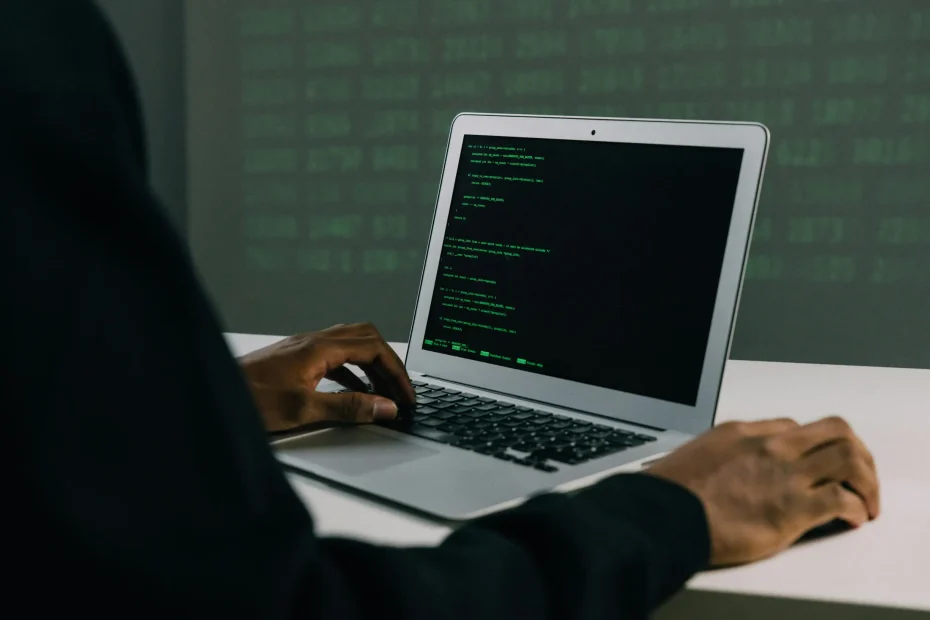
Think you need long, uninterrupted blocks of time to learn to code? That belief puts a lot of people off, even though short, regular sessions soon build up into real skills and confidence.
If you’re juggling a busy life, try these three practical approaches that fit easily into your routine: set bite-sized, measurable goals; use focused, flexible microlearning in short bursts; and build simple habits you can practise consistently. Each method shows how small, repeatable steps lead to measurable progress so you can keep learning without having to reshuffle your whole schedule.

1. Set bite-sized, measurable goals you can actually stick to
When you set a learning aim, turn it into a single, testable task. For example, write a function that performs a defined behaviour and passes three distinct checks. Measure progress by concrete outputs rather than minutes; track the number of exercises completed, unit tests passed or small projects shipped to get objective feedback you can act on. For every micro-goal, define clear acceptance criteria by listing inputs, expected outputs and edge cases so it is straightforward to verify your learning without guessing whether you did enough.
If you want to build a coding habit, link a tiny, specific goal to something you already do — for example, open your code editor after making a cuppa. Stacking the new task on an existing cue cuts the faff of getting started and makes practice low-effort and repeatable. Keep a very short, objective log each time, such as a one-line commit message, a quick note of what you built, or a passing test output. Use that concise record to spot patterns of struggle or success, then tweak future micro-goals by shrinking or widening them based on what the log shows. That keeps momentum going while quietly improving both quality and quantity.

2. Use short, flexible microlearning bursts to learn without overwhelm
I find short, focused learning sprints work best for squeezing practice into a busy day. Pick a single micro-objective, give it a go and run the code to check your understanding. Make practice active: type out examples yourself, make deliberate changes and predict the outcome before you run the code, because doing so strengthens recall and exposes misconceptions. Minimise setup friction by using lightweight editors, single-file templates or containerised sandboxes so sessions start with code ready and you can return consistently.
Try turning key syntax, commands and common error messages into compact flashcards or prompts, then review them in short, spaced cycles to cut down forgetting and speed up troubleshooting. Keep those reviews low-effort so they slot into spare moments and gradually build pattern recognition for the errors you see most. Apply each micro-lesson to a tiny, practical project tied to your routine, for example automating a repeated task or parsing a dodgy appliance log, so you convert abstract practise into useful behaviour. Those tiny wins show what to practise next and make short, regular sessions feel worthwhile.

3. Build simple, practical habits and practise them consistently
Attach a tiny coding task to something you already do — for example, open a REPL while you make a cuppa and write one small function. Linking the action to an established cue reduces the mental hurdle of getting started and makes regular practise more likely.
Break topics into micro-skills and use focused drills. Pick a single concept, create short exercises that force you to recall it, then use a mini task to apply the idea. That exposes gaps and helps the learning stick.
Alternate challenge and feedback. Try a specific exercise, run it to see what breaks, fix the targeted mistake, then repeat with a slightly harder version. Turning small errors into repeatable fixes is one of the quickest ways to build durable skills.
Make it easier to get practising, not watch it stall. Keep a ready-to-run project template, a small library of handy code snippets and a couple of simple setup scripts so your time goes on learning, not fiddling with tooling. Keep a short log of what you tried and what broke to spot patterns quickly. Share tiny fixes with a mate or publish them for a bit of gentle accountability, and turn recurring errors into short drills that guide future practice. These small habits lower the barrier to getting started and help channel limited time into steady, measurable progress.
If time is tight, tiny, repeatable coding actions can turn spare minutes into real skills. Measurable micro-goals, short bursts of focused learning and simple habits add up, and you can track progress through passed quizzes, mini projects and brief logs.
Start with one small, testable goal. Slot short practice bursts into spare moments and anchor tiny drills to things you already do to make getting started easier. Keep a simple log of what you do, tackle recurring slip-ups with focused drills, and share or celebrate small wins to keep momentum. Those little pockets of effort soon add up to a useful, lasting habit.