
Small daily habits can quietly drive up your household energy use and make chores take longer than they need to. Sound familiar? Pans simmering without lids, the washing machine chugging away half-full on a cool cycle, showers stretching on and making the hot water thermostat work harder, or dodgy appliances left on standby.
Small, practical changes — like putting lids on pans and using residual heat to finish cooking, running fuller, cooler washing cycles, trimming shower time and lowering the hot water thermostat — help keep you comfortable while cutting needless energy waste. Keep reading for straightforward, easy-to-adopt tips and the reasons they work so you can use less energy without losing comfort.

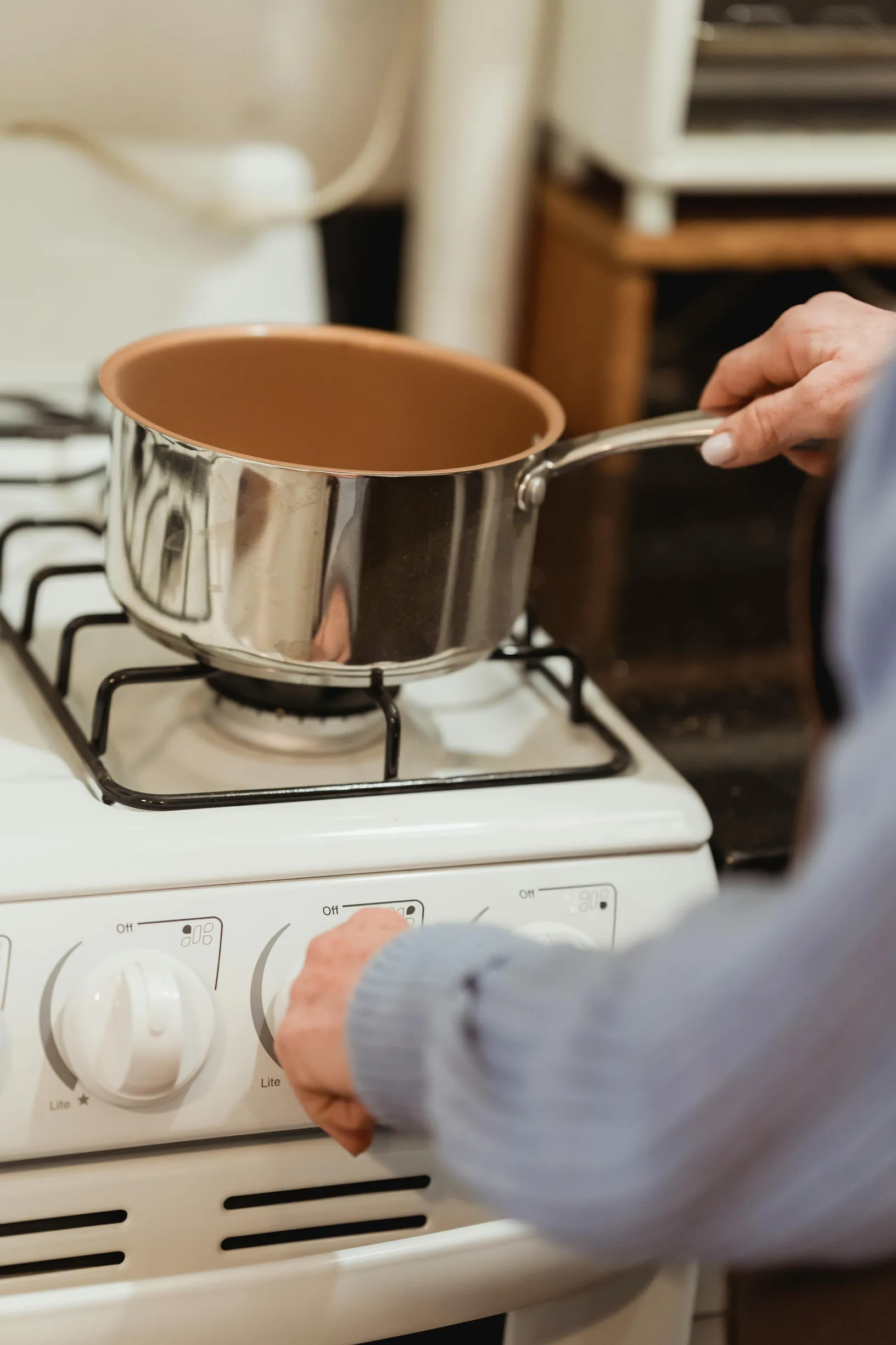
1. Use lids and residual heat to cook smarter
It’s a simple kitchen trick that really helps. A tight-fitting lid keeps steam in and raises the temperature inside the pot, so food cooks faster on a lower heat and less energy escapes through steam. Match your pan to the hob ring and keep lids on when bringing liquids to the boil, because heating the air around the pan wastes energy and reducing excess liquid means there is less to heat. These small changes cut cooking time and heat loss while keeping the flavours and techniques you already use intact.
Make the most of residual heat by switching off the hob or oven when dishes are nearly done, keeping pans covered and letting stored heat finish rice, pulses, stews and steamed veg. Keep lids clean so they seal properly and, if you do not have a lid, improvise with a plate, a baking tray or some foil. Avoid splatter guards when you want to keep heat in. Lift lids only briefly to check doneness to avoid repeated heat loss, and plan your cooking order so you can use leftover oven or hob heat to finish or warm other dishes. When relying on residual heat, watch out for boilovers or sticking so you can step in early and preserve texture and flavour. This handy trick is especially useful if you have dodgy appliances or are trying to cut energy use in the kitchen.
2. Wash smarter with cooler cycles and fuller loads
Most of the energy used by a wash cycle goes on heating the water. For everyday loads, switch to 30 degree cycles or colder and save the hotter programmes for really soiled items, like those with bodily fluids or oil stains. Modern enzyme-based detergents clean well at lower temperatures, so you can keep washing performance while using less energy. Pre-treat grease, blood or makeup at the source by gently rubbing in a little detergent or stain remover; this reduces the need to re-wash on hotter settings and helps clothes last longer. If you have dodgy appliances that struggle to reach high temperatures, low-temperature washing combined with enzyme detergents is a handy workaround.
A few simple habits can make laundry less of a faff. Fill the drum so the machine can tumble freely without being overloaded; this spreads the fixed energy cost across more garments and cuts the number of cycles you need. Measure detergent for each load and take water hardness into account to avoid residue that forces repeat washes. Where care labels allow, choose a higher spin speed to extract more water, since removing more water shortens drying time whether you line-dry or use a condenser or tumble dryer. Check care labels and pick a spin that balances fabric care with extraction. Keep filters and hoses clean, sort out dodgy appliances, and use eco or half-load programmes when appropriate, as regular maintenance and the right programme choices both reduce water use and temperature demands.
![{"image_loaded": true, "load_issue": null, "description": "A person is operating a front-loading washing machine indoors. The person's hand is turning the control knob on the washing machine, while the other hand is opening the detergent drawer. The washing machine door is open, revealing some clothes inside. The setting appears to be a laundry area or room with the washer placed under a white appliance possibly a dryer.", "people": {"count": 1, "roles": ["user"], "visible_demographics": "one adult person w](https://here4life.uk/wp-content/uploads/2026/03/image_loaded_true_load_issue_null_description_a_person_is_operating_a_front_loading_washing_machine_SP2c8G7UN2.webp)
3. Shorten showers and turn down the hot water thermostat
Hot water use increases roughly in line with how long your shower runs, so cutting your shower time by half will usually halve the water and energy used. Try a navy shower to concentrate demand: get wet, turn the water off while you soap and shampoo, then turn it back on to rinse so the flow comes in short bursts. Fit a low-flow shower head or a flow restrictor to cut the litres per minute while keeping a satisfying spray. Descale the shower head now and then so limescale does not clog it and tempt you into longer showers.
Turning the hot water thermostat down by a few degrees can cut standby and reheating losses. After you reduce the temperature, check for any risk of scalding and stick to the manufacturer’s recommended settings for safe storage. If the boiler or cylinder looks dodgy, arrange a service rather than trying to guess the fix yourself. Insulating the hot water cylinder and any exposed hot pipes helps the system hold on to heat, so it needs fewer reheats and delivers more usable hot water each cycle. Simple measures such as pipe lagging and fitting a cylinder jacket keep those savings going with very little fuss.
A few small, practical tweaks in the kitchen, laundry and shower can cut heat loss and save water without you having to sacrifice comfort. Put lids on pans and make the most of residual heat, opt for cooler, fuller wash cycles, and trim shower time while nudging the thermostat down a notch. You’ll get the same results using noticeably less energy.
Try these simple habits: keep lids on pans when cooking, run everyday washes at lower temperatures and fuller loads, and take a navy shower or fit a low-flow shower head while turning down the hot-water thermostat. Taken together, these small changes cut energy and water use, ease the strain on dodgy appliances, and add up to straightforward, measurable savings that make them worth doing.