
Living with a pay-as-you-go meter often means juggling comfort and getting caught short when you need a top-up. How can you keep your home cosy, cook as usual and avoid last-minute panic without making any complicated changes?
Try these three low-effort, practical approaches: keep an eye on your usage to spot sudden spikes; make small home tweaks like sealing draughts and sorting out dodgy appliances; and set simple routines, alerts and limits to stop overspending. Each tip is straightforward and tried-and-tested, designed to help you top up less often while keeping your home comfortable.

1. Keep an eye on usage to avoid surprise top-ups
You do not have to accept mystery losses. A few simple checks usually show where your energy is going.
– Record your meter readings at the start and end of each billing cycle, compare them with your top-up history and plot a simple chart. Patterns, sudden spikes or steady drains often point to dodgy appliances or lifestyle habits rather than unexplained losses.
– Set multiple low-credit alerts through your supplier’s app, by SMS or via a neutral notification service, and keep a physical reminder in your wallet so you get a heads-up before a top-up is needed.
– Quantify standby and phantom loads by testing suspect plugs with a plug-in energy monitor and logging the watts used when devices are idle. That helps you target the biggest unnecessary draws.
If you’re trying to make a limited top-up last, a few practical tweaks can help. Try this quick checklist:
– Stagger high-demand jobs so you are not running several heavy appliances at once. Test whether reducing overlap, shortening cycles or using eco modes stretches a typical top-up the most.
– Cut unnecessary power drains. Use switched extension leads or unplug high-drain items your energy monitor flags up, and isolate any dodgy appliances until they are sorted.
– Agree a simple household contingency plan. Keep an accessible backup payment method or token, store a spare card or voucher away from the meter, and decide who tops up so everyone knows how to avoid sudden cut-offs.

2. Make small home tweaks to cut energy use
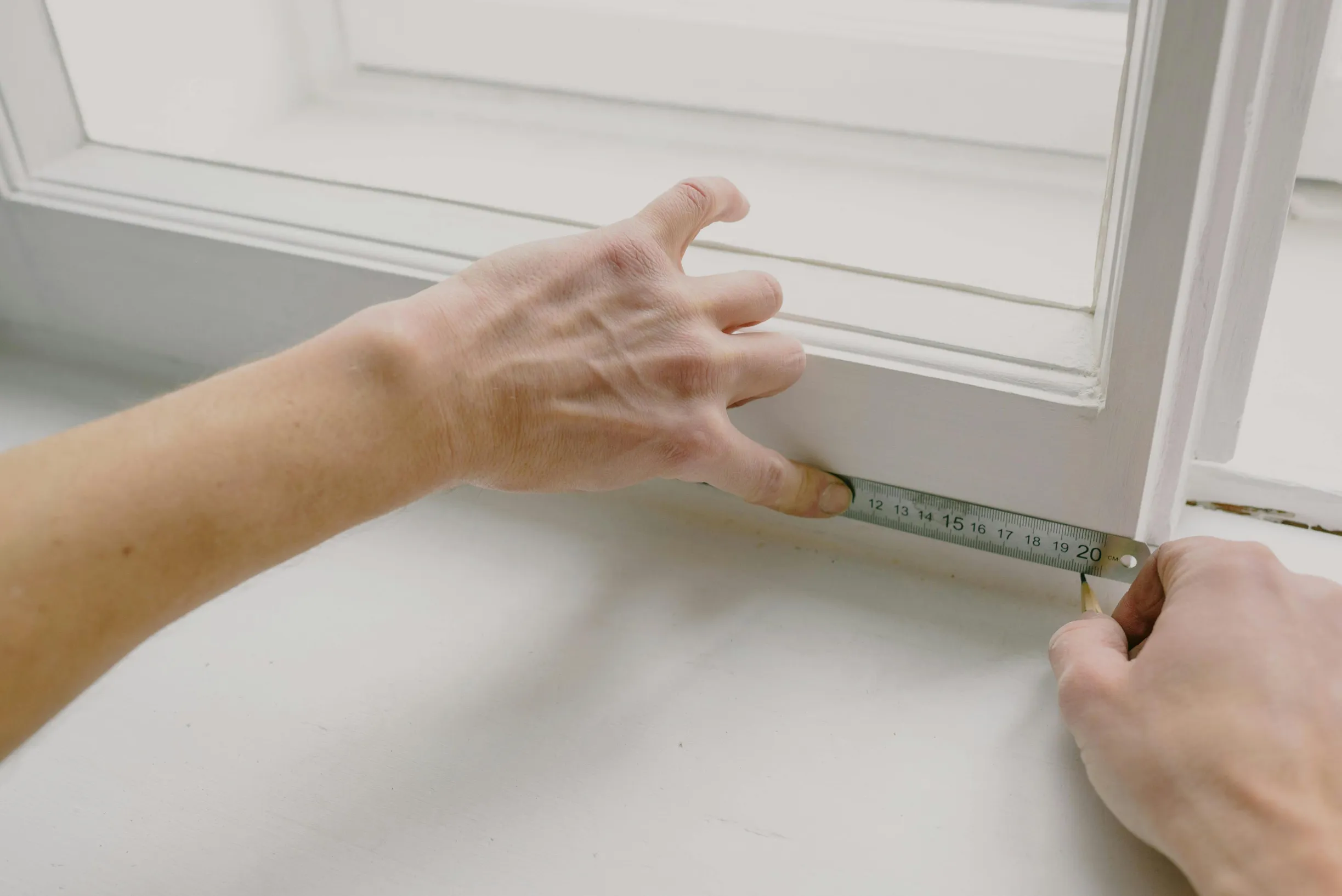
Feeling like the heating’s on more than it should be? Small changes can make a big difference. Sealing draughts around windows, doors and skirting boards, fitting a draught excluder to the letterbox and using heavy curtains at night while opening them on sunny days stops warm air escaping, so radiators do not need to run as long to keep a room comfortable. Bleeding radiators to remove cold spots, moving furniture away from heat emitters and fitting foil reflectors behind radiators sends more of the heat back into the room, helping it warm up faster without turning the thermostat up. The upshot is rooms that feel just as warm while the heating comes on for shorter bursts.
If topping up a pay-as-you-go meter feels like a constant faff, a few small changes can make a real difference. Cut hot-water demand and trap cooking heat by running full washing loads at lower temperatures, using lids on pans, and fitting tap aerators or low-flow shower heads to reduce how much water needs heating.
Swap old filament bulbs for LED bulbs and use task lighting instead of lighting a whole room, and unplug chargers or switch off obviously dodgy appliances to avoid standby power quietly adding up on a pay-as-you-go meter.
Keep appliances well maintained: defrost freezers, clean fridge coils, check oven seals, and descale kettles and washing machines so they run efficiently. Regular upkeep and small habit changes help appliances use less energy to do the same job, so you need to top up less often and get on with the day.
3. Set simple routines, alerts and spending limits to stop overspending
If you want to spot where your energy is slipping away, start by recording a baseline week from your meter or smart meter display so you know what ‘normal’ looks like. Use that baseline to set simple routines: turn heating and hot water down in rooms you are not using, and stagger appliance cycles so everything does not run at once.
Enable consumption alerts based on your typical daily baseline. When you see a spike, isolate circuits or switch appliances off one at a time until you find the problem — often a dodgy appliance that is draining power quickly. Fit plug-in timers or use appliance programme settings to stop multiple high-draw devices running together, and compare subsequent weeks to see which changes actually cut your pay-as-you-go consumption.
Using a pay-as-you-go meter? Set low-balance alerts and reminders so you can top up before you hit a critical buffer, and add a trusted secondary contact who can be notified if the meter’s close to being cut off. Make household rules visible, for example pin a simple weekly usage chart to the fridge, and agree on small nudges like switching devices fully off rather than leaving them on standby. Use timers or programme settings to help those habits stick, for example run the washing machine and dishwasher on separate cycles rather than at the same time to avoid sharp peaks. Keep a short log of small experiments and compare the weekly figures together so everyone can see which routine changes actually reduce pay-as-you-go spending and tweak behaviour accordingly.
Small, practical changes can cut pay-as-you-go energy use without knocking comfort at home. Simple steps like tracking usage, sealing draughts and tweaking daily routines make it easier to spot waste and the biggest drains on your meter. These low-effort fixes often reveal dodgy appliances, cut standby losses and stretch your top-ups without forcing you to change how you heat, cook or live.
Treat the three headings as a simple checklist: keep an eye on your usage to spot unexpected spikes, make small practical tweaks around the home to keep heat and hot water where you want them, and set routines, alerts and limits to avoid surprise cut-offs. Try one change at a time, note what happens, and compare the results so everyone in the household can see what works and keep sensible control of comfort and supply.