
If you are planning any renovation, be aware that hidden asbestos can be disturbed and turn a routine upgrade into a health risk. Asbestos fibres can become airborne when materials are cut or removed, so get the area checked before work begins to reduce the chance of exposure.
This post walks you through assessing asbestos risk and defining project scope, compares different survey types and their uses, and explains how to choose the right survey and plan safe next steps. Use these practical steps to avoid surprises on site, protect occupants and workers, and keep your project on track.
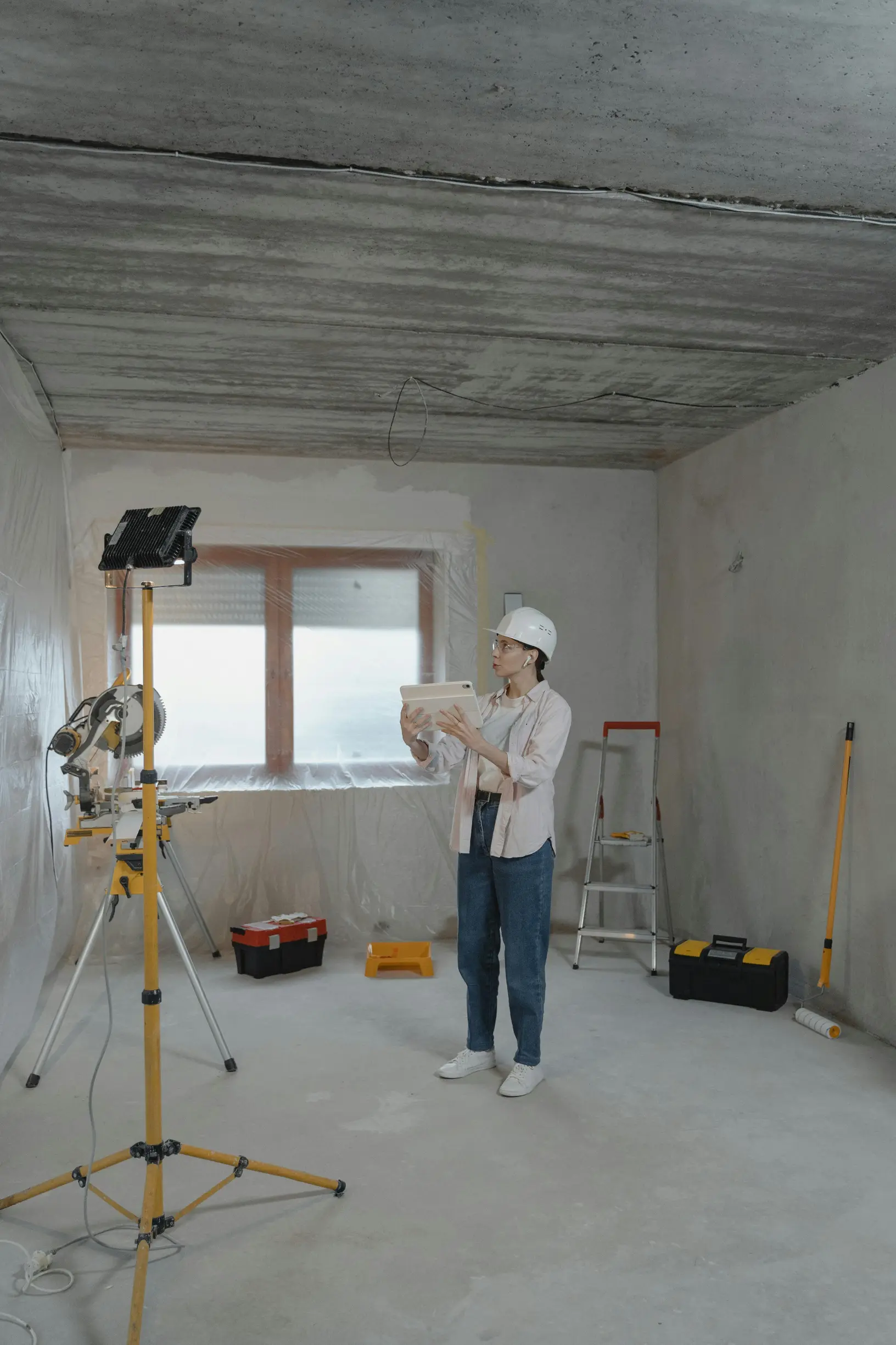
A practical guide to assessing asbestos risk and scoping your project
Start by mapping the project scope and noting any tasks that will cut, drill, remove or sand building fabric. Mechanical actions that break or abrade materials create dust and increase the chance of fibre release, so make these activities clear from the outset.
Make a list of suspect materials by product and location so sampling can be targeted. Common items to check include textured coatings, spray or loose-fill insulation, pipe and boiler lagging, vinyl floor tiles and adhesives, cement sheets, ceiling tiles, roofing felt, gaskets and mastics.
Assess the condition and accessibility of each material to estimate risk. Prioritise materials that are damaged, friable or delaminating, and pay particular attention to hidden spaces such as voids, ducts, service risers and behind wall linings, which often conceal asbestos-containing materials.
Review existing records and the site history. Incomplete or missing documentation increases uncertainty and normally justifies a more detailed inspection before work begins.
Match the type of survey to the scale of the work and the level of control you need. If the project will disturb the building fabric or require access to concealed areas, plan for an intrusive inspection and bulk laboratory sampling. Ask for a clear map of sample locations and practical remedial recommendations so you know exactly what to do next. If disturbance will be minimal and materials are accessible and appear intact, a non-intrusive management check can be enough, but make sure you record the findings and explain why you chose that approach. Prioritise actions on any damaged or friable materials, and treat unknowns as a reason to step up to a more thorough survey. That way you avoid unwelcome surprises once work starts.

Compare asbestos survey types and understand their different uses
Dealing with asbestos can be worrying, but knowing the different survey types helps you pick the right one. There are three common kinds: management surveys for routine maintenance and monitoring; refurbishment surveys when planned work will disturb the building fabric or access voids; and demolition surveys for a full strip-out. They differ mainly in scope and how intrusive they are. Management surveys aim to identify and manage materials left in place, refurbishment surveys involve accessing concealed areas to take representative bulk samples, and demolition surveys take a thorough, intrusive approach to find any asbestos before complete removal.
Typical survey outputs include laboratory-confirmed sample results, annotated plans showing where samples were taken, an assessment of material condition and the priority for action, and clear recommendations for control measures.
If you come across unexpected materials while working, stop work and arrange further inspection and sampling before you continue.
Surveyors should take representative bulk samples according to a clear strategy, send them for laboratory confirmation with a recorded chain of custody, and produce a marked-up report that links sample results, material condition and location to specific control actions and any reinspection needs. Friable or damaged asbestos releases fibres more easily than intact, bound materials, so the asbestos type, condition and location determine whether it is safer to leave it in situ with monitoring, to encapsulate, or to arrange licensed removal. If you are appointing a surveyor, ask for a written scope of work, evidence of competence and insurance, a clear sampling and chain of custody plan, and an actionable report that explains what to do if further materials are uncovered during works.
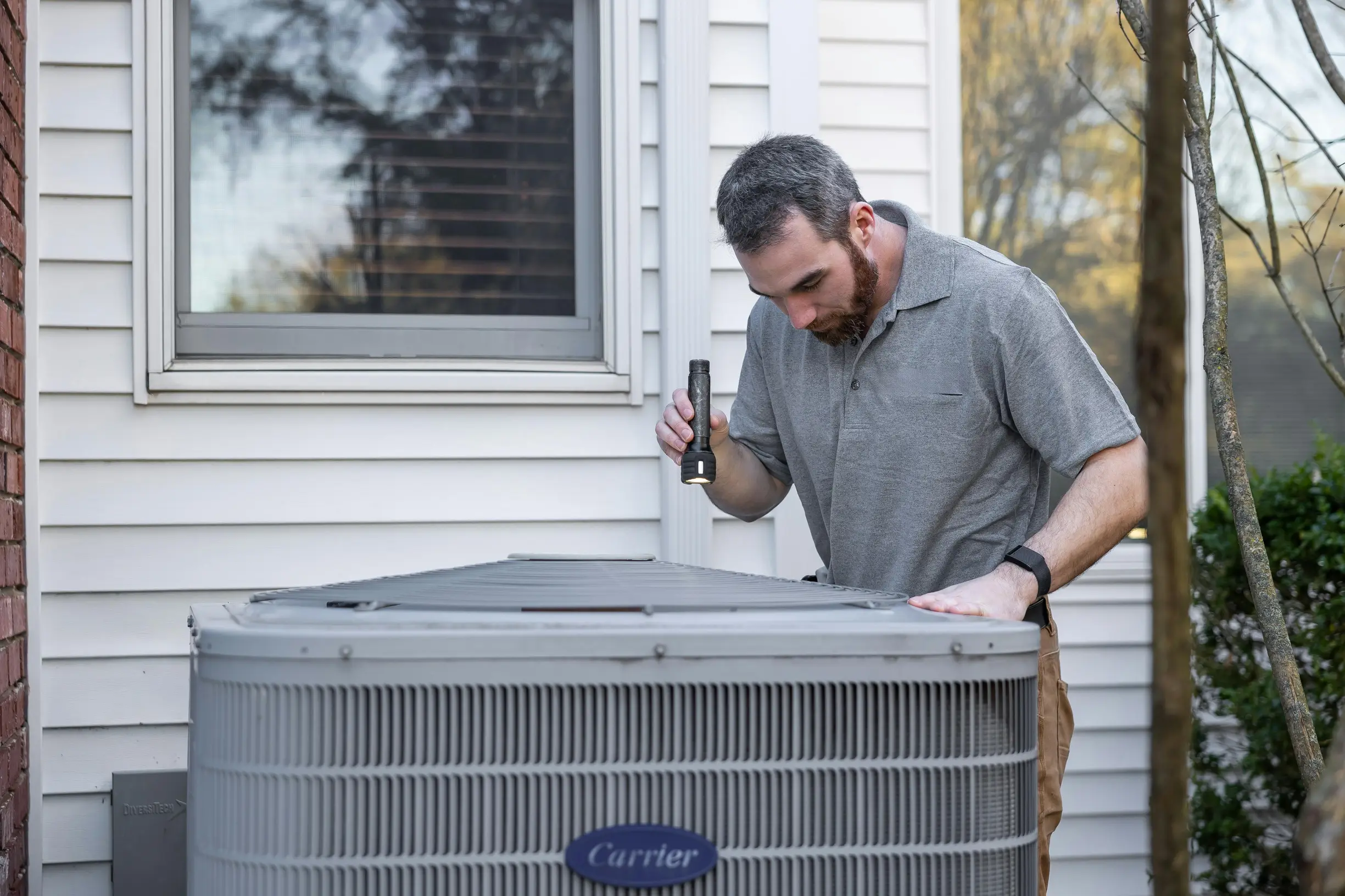
How to choose the right survey and plan safe next steps
When planning work on your property, pick the survey that matches the scope of the job. Management surveys suit routine maintenance and visible, non-intrusive checks. Refurbishment surveys are needed when the building fabric or hidden spaces will be disturbed. Demolition surveys apply where whole structures are being taken down.
Refurbishment and demolition surveys involve intrusive inspection and sampling of concealed areas. Management surveys focus on accessible materials without any disturbance.
To help the surveyor target sampling, define the room-by-room scope, provide plans or clear access to voids and service risers, and mark likely asbestos-bearing materials and any priority areas.
If you are managing asbestos, a clear, usable report is essential. A good report should include:
– accurate location plans and photographs
– sample identification with laboratory confirmation, or a stated presumption if no sample was taken
– an assessment of material condition and risk ratings
– recommended control measures or removal actions
– any access restrictions needed
Use that report to create a task-specific asbestos plan for contractors, keep it with your building records, and follow the recommended controls. If removal is advised, appoint a suitably licensed contractor.
When appointing a surveyor, ask for verifiable experience with similar properties, recent sample reports, evidence of third-party accreditation or recognised competence, written method statements for any intrusive work, and adequate insurance.
If asbestos is found, stop any disturbance, cordon off and clearly label the area, update the asbestos register and any relevant work permits, and arrange removal and confirmatory clearance checks. These steps help reduce fibre release and provide documented evidence for future works.
If you are planning renovation work, be aware that cutting, drilling or removing some materials can release hazardous asbestos fibres. I know pre-checks can feel like an extra hassle, but check for any suspect materials and assess their condition before you start. Focus inspections on concealed spaces such as behind walls, under floors and in lofts, and review any available site records. If anything is unclear, treat it as potentially asbestos and arrange intrusive sampling and laboratory confirmation carried out by a qualified asbestos surveyor or a contractor licensed to handle asbestos.
Start by matching the survey type to the planned scope of works and appointing a competent surveyor. They should provide a written scope, a sampling and chain of custody plan, and clear remedial recommendations. Use the report to put task-specific controls in place, update the asbestos register, and stop work to arrange further inspection if any unexpected materials are found. Following these steps helps protect workers and occupants and keeps the project on track.