When a fault pops up at home, it can be hard to know what to tackle first. From sparking wiring to dodgy appliances, a few quick steps can stop a small problem becoming a safety risk or a costly repair.
This guide shows you how to spot hazards and judge how urgent they are, carry out safe temporary fixes, and plan permanent repairs with reliable tradespeople. Use these practical steps to limit damage, keep everyone in your home safe, and stop the same problems recurring.
Spot hazards and work out how urgent they are
Look out for simple signs you can spot quickly. A continuous hissing or a strong smell like rotten eggs or sulphur can mean a gas leak. Sparking or black soot usually points to electrical overheating. Pooling water with bulging paint often indicates concealed plumbing or structural failure. Excessive heat or vibration around dodgy appliances can suggest a motor or bearing is failing.
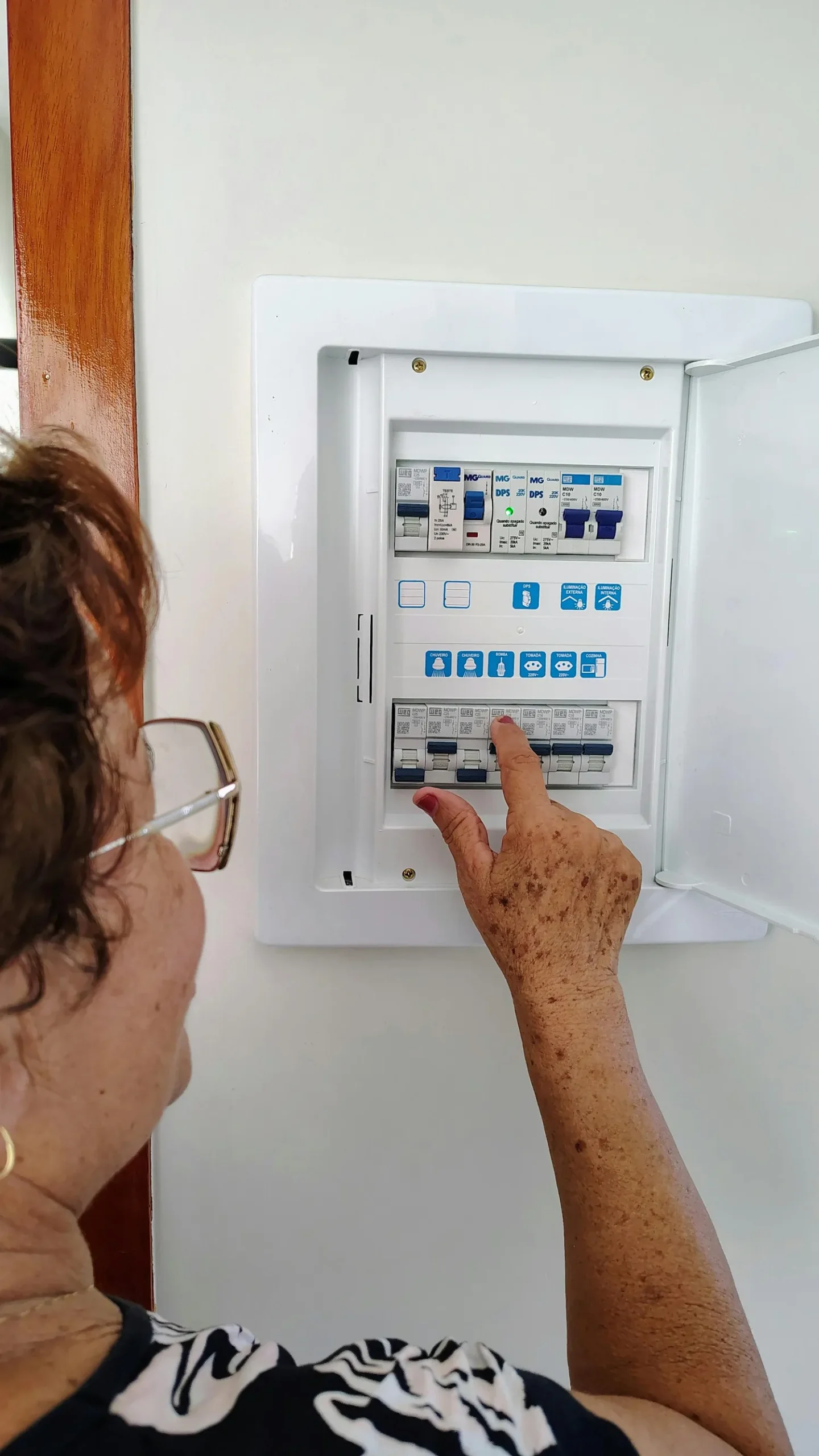
If it is safe to do so, take these steps: isolate the affected circuit at the consumer unit, switch off and unplug the suspect appliance, turn off the mains water stopcock or the gas isolation valve for the area, cordon the area and move people to safety, and use barriers or absorbents to limit any spread.
If you encounter open flames, heavy smoke, a strong gas smell, signs of structural collapse, or you are unsure whether it is safe to access the area, stop and call the emergency services straight away.
Start with a simple triage: immediate life risk, urgent operational risk, or low-risk nuisance. That gives you a quick way to decide what to do next.
Examples
– Immediate life risk: an open flame, a carbon monoxide alarm sounding, heavy smoke, or signs of structural collapse. These need instant action.
– Urgent operational risk: repeated RCD (residual current device) trips that cut essential services, major leaks affecting electrics, or anything that leaves the home unsafe to use.
– Low-risk nuisance: a single slow drip under a sink, a stuck door, or other annoyances that do not pose immediate danger.
What to do for each
– Immediate life risk: evacuate everyone to a safe place and call the emergency services. If it is safe and you know how, isolate the source (for example, turn off the gas supply), but do not put yourself at risk.
– Urgent operational risk: isolate the affected system or circuit where possible, make the area safe, and book an emergency engineer or qualified tradesperson to attend.
– Low-risk nuisance: monitor the issue, arrange a repair at the earliest convenient time, and keep records in case the problem worsens.
Gather clear evidence to support any later work or insurance claims
– Photograph the scene from different angles.
– Note which appliances or systems were in use.
– Record smells, sounds and the exact location of the problem.
– Check circuit labelling and any accessible service points.
– Collect tenant or witness statements where relevant.
Who to contact
– Immediate danger: the emergency services.
– Suspected gas leaks: your gas distributor or the gas emergency number.
– Electrical faults: the distribution network operator or an accredited electrician.
– Structural concerns: building control or the duty-holder for the building.
When you report the problem, stick to concise facts: what you observed, what containment steps you have already taken, and any vulnerabilities you noticed such as disabled alarms or dodgy appliances. That helps responders act quickly and keeps everyone safer.
Quick, safe temporary fixes to minimise damage around the home
If you come across an emergency, the immediate priority is to isolate hazards and make the area safe. For electrical faults, turn off the power at the nearest isolator or consumer unit. If you suspect a gas leak, leave the premises immediately, do not operate any switches or appliances, and call the gas emergency service on 0800 111 999 from a safe location. Cordon off the area and use lockout and tagout procedures so only qualified personnel re-energise equipment.
Apply reversible, rated stabilisation measures where needed, such as mechanical clamps, hose wraps, temporary brackets, shoring props or watertight covers. Clearly mark these as temporary and keep original components intact where possible to limit further damage and preserve evidence for a permanent repair.
Stopping the source early prevents escalation and protects both occupants and responders, whether the issue comes from a burst pipe, a dodgy appliance or structural distress.
Found a leak or spill? It can be worrying, but quick, sensible steps will limit harm. Contain the problem with absorbent pads, bunding and drip trays, and provide forced ventilation for any fumes. Route runoff to safe containment and remove ignition sources to reduce environmental damage and the risk of secondary system failure. Tag the area, take before-and-after photos and keep a simple log of who made the temporary intervention, what materials were used and how long the fix is expected to last. Attach a clear notice describing the permanent works required. Where needed, impose restrictions such as reduced loads, speed limits or out-of-service notices, and arrange a verified inspection by the appropriate trade so the defect does not get forgotten. Keep the situation under continuous monitoring and, if there is any risk to life or structural collapse, escalate to emergency services. Temporary fixes can fail, so having a defined route to permanent repair is essential to protect people and assets.

Plan repairs that last and stop problems coming back with the right tradespeople
To avoid hassle and get a decent job done, start by setting a clear scope and expected outcome. Document the fault history with photos, test notes and a list of recurring symptoms so tradespeople see the full picture. It might feel awkward, but good records save time and stop dodgy workmanship costing you later.
Ask for written quotes that itemise materials, each task and any compliance certificates they will provide. That makes like-for-like comparisons much easier and reduces surprises.
Verify competence and insurance by asking to see registration on the appropriate national scheme, proof of public liability insurance and examples of recent similar jobs. Cross-check registration details on the regulator’s public search so you know the paperwork is genuine.
Keep every piece of paperwork: the written scope, snagging process, warranty, compliance certificates and an itemised final invoice. You may need these for insurance claims or if you sell the property in future.
Prioritise proper, root-cause repairs over quick, force-fit fixes and ask the tradesperson to explain how their proposal will stop the problem coming back and what tests will prove the repair. For example, replacing a corroded soil stack or resizing undersized wiring will often solve the issue, whereas repeated resealing or swapping fuses just masks it. Plan the logistics to reduce downtime by sequencing trades, agreeing access arrangements, and thinking about simple upgrades like better ventilation or easier service access. Set a basic maintenance programme with clear tasks you can do yourself and jobs to book in with a tradesperson. That way you cut down repeat visits and spot dodgy appliances early.
Triage helps limit harm and cost by quickly isolating hazards, applying rated temporary stabilisation and recording every action to preserve evidence when dealing with dodgy appliances or structural faults. Prioritise immediate life-safety risks, escalate urgent operational faults to accredited responders, and schedule low-risk repairs with a clear scope so fixes tackle root causes rather than just treating symptoms. Keep a simple record of what you did and why to support any later investigations and to stop problems cropping up again.
Try a simple three-step approach: first, identify hazards and assess how urgent they are; second, make safe temporary fixes where you can; third, plan permanent repairs so you can make measured decisions that protect the people in your home and your belongings. Whether it’s dodgy appliances, a leak or an electrical fault, keep labelled records, take clear photos and hold onto any compliance or safety certificates, as these will help with inspections or insurance claims. When a job needs a professional, check tradespeople are accredited and ask them to explain how the repair will stop the problem recurring.